Books › The Day of the Triffids

The Day of the Triffids
First published 1951 · 860 pages
A quietly terrifying mid-century apocalypse that grounds the end of the world in chilling, pragmatic realism.
What it feels like
Reading this classic of apocalyptic fiction feels like watching a slow-motion disaster through a remarkably clear, unpanicked lens. The narrative moves at a steady, deliberate pace, trading explosive action for a creeping, dread-soaked atmosphere. Its distinctly mid-century British prose is understated and journalistic, which only makes the bizarre horrors of walking, venomous plants and mass blindness feel more chillingly plausible. You are immersed in an eerie, quiet world where the true terror lies not just in the monsters, but in the rapid, fragile unraveling of human civilization and the grim ethical choices survival demands. It is a perfect read for those who love thoughtful, philosophical sci-fi that lingers on the psychological weight of the end of the world.
- Mood
- eerie
- dread-soaked
- isolated
- quietly terrifying
- Tone
- pragmatic
- observant
- philosophical
- detached
- resilient
- Pace
- steady
- Themes
- societal collapse · survival ethics · fragility of civilization · human hubris · nature reclaiming the earth
- The writing
- Understated, journalistic, and distinctly mid-century British, grounding bizarre horrors in chillingly mundane reality.
- The arc
- Begins in disorienting isolation and moves through quiet horror toward a grim, pragmatic determination to survive.
- Who it's for
- Readers who love thoughtful, slow-burn apocalyptic fiction that prioritizes ethical dilemmas and eerie atmosphere over explosive action.
Content notes
- mass death
- suicide
- ableism/blindness as horror device
- societal breakdown
- violence
About the book
When Bill Masen wakes up blindfolded in hospital there is a bitter irony in his situation. Carefully removing his bandages, he realizes that he is the only person who can see: everyone else, doctors and patients alike, have been blinded by a meteor shower. Now, with civilization in chaos, the triffids - huge, venomous, large-rooted plants able to 'walk', feeding on human flesh - can have their day.The Day of the Triffids, published in 1951, expresses many of the political concerns of its time: the Cold War, the fear of biological experimentation and the man-made apocalypse. However, with its terrifyingly believable insights into the genetic modification of plants, the book is more relevant today than ever before.
Comment by Liz Jensen on The Guardian:
> As a teenager, one of my favourite haunts was Oxford's Botanical Gardens. I'd head straight for the vast heated greenhouses, where I'd pity my adolescent plight, chain-smoke, and glory in the insane vegetation that burgeoned there. The more rampant, brutally spiked, poisonous, or cruel to insects a plant was, the more it appealed to me. I'd shove my butts into their root systems. They could take it. My librarian mother disapproved mightily of the fags but when under interrogation I confessed where I'd been hanging out – hardly Sodom and Gomorrah – she spotted a literary opportunity, and slid John Wyndham's The Day of the Triffids my way. I read it in one sitting, fizzing with the excitement of recognition. I knew the triffids already: I'd spent long hours in the jungle with them, exchanging gases. Wyndham loved to address the question that triggers every invented world: the great "What if..." What if a carnivorous, travelling, communicating, poison-spitting oil-rich plant, harvested in Britain as biofuel, broke loose after a mysterious "comet-shower" blinded most of the population? That's the scenario faced by triffid-expert Bill Masen, who finds himself a sighted man in a sightless nation. Cataclysmic change established, cue a magnificent chain reaction of experimental science, physical and political crisis, moral dilemmas, new hierarchies, and hints of a new world order. Although the repercussions of an unprecedented crisis and Masen's personal journey through the new wilderness form the backbone of the story, it's the triffids that root themselves most firmly in the reader's memory. Wyndham described them botanically, but he left enough room for the reader's imagination to take over. The result being that everyone who reads The Day of the Triffids creates, in their mind's eye, their own version of fiction's most iconic plant. Mine germinated in an Oxford greenhouse, in a cloud of cigarette smoke.
Description from Open Library.
Books like The Day of the Triffids
See why they match The Midwich CuckoosJohn WyndhamA polite, tea-drinking English village slowly realizes it is being colonized from within by an uncanny, golden-eyed threat.
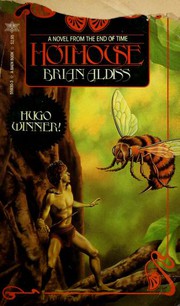 HothouseBrian Wilson AldissA fever dream of far-future survival where humanity is reduced to prey in a terrifyingly lush, overgrown world.
 The Death of GrassJohn ChristopherA chillingly plausible, unsentimental descent into the dark, pragmatic depths of human nature when the food runs out.
 The Drowned WorldJ. G. BallardA hallucinatory descent into a sweltering, flooded world where the human mind regresses alongside the collapsing environment.
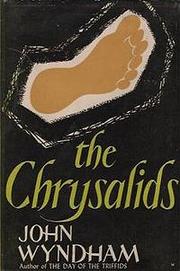 The ChrysalidsJohn WyndhamA quietly chilling tale of hidden identities and creeping paranoia set against the backdrop of a religiously zealous, post-apocalyptic frontier.
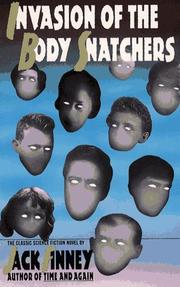 The Invasion of the Body SnatchersJack FinneyA masterclass in creeping paranoia where the most terrifying monsters wear the faces of the people you love.