Books › The Debt to Pleasure

The Debt to Pleasure
a novel
First published 1996 · 272 pages
A wickedly funny, sensory-drenched culinary memoir that slowly rots into a brilliant, sinister psychological portrait.
What it feels like
Reading this book feels like sitting down to a decadent, multi-course French meal with a brilliant but deeply unsettling dinner companion. The narrative meanders through lush, poisonously opinionated meditations on food, taste, and history, wrapping the reader in a voluptuous and wickedly funny atmosphere. The prose is sharp, sly, and dripping with sensory detail, indulging in the erotics of dislike and the philosophy of menus. Yet, beneath the surface of this eccentric culinary travelogue lies a creeping dread. The emotional arc shifts insidiously from delightful indulgence to quiveringly sinister revelation. It is a perfect feast for readers who savor dark, subversive wit, unreliable narrators, and the unsettling intersection of refined taste and hidden malice.
- Mood
- insidious
- darkly sensual
- eccentric
- voluptuous
- Tone
- wickedly funny
- sly
- opinionated
- subversive
- sinister
- Pace
- meandering
- Themes
- sensory indulgence · the psychology of taste · hidden darkness · eccentric morality · culinary obsession
- The writing
- Wickedly witty, highly opinionated, and rich with subversive, sensory-laden meditations.
- The arc
- Begins as a delightfully opinionated culinary romp and slowly curdles into something deeply unsettling and sinister.
- Who it's for
- Readers who love dark comedy, unreliable narrators, and obsessive, food-centric philosophizing.
Content notes
- sinister themes
- food obsession
About the book
An Englishman of indeterminate age whose spiritual home has always been France, Tarquin embarks on a journey of the senses, regaling us with his wickedly funny, poisonously opinionated meditations on everything from the erotics of dislike to the psychology of a menu, from the perverse history of the peach to the brutalization of the British palate, from cheese as "the corpse of milk" to the binding action of blood.
As Tarquin peels away the layers of his past, he proves himself a master of sly wit and subversive ideas. Only gradually, insidiously, do the outlines of a distinctly quirky aesthetic and a highly eccentric moral philosophy emerge, until the truth becomes unavoidable: This is not the voluptuary's memoir it purports to be, and Tarquin Winot is a master of something more than wit and opinion, something infinitely, quiveringly, sinister.
Description from Open Library.
Books like The Debt to Pleasure
See why they match Five quarters of the orangeJoanne HarrisA sensory, memory-laden journey where recipes and long-buried secrets simmer together in a quiet French village.
 ChocolatJoanne HarrisA lush, sensory rebellion against austerity, wrapped in the intoxicating scent of spun sugar and dark cocoa.
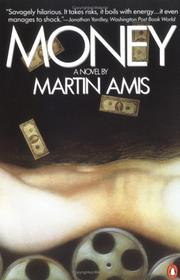 MoneyMartin AmisA manic, filthy, and hilariously grotesque joyride through the neon-lit excesses of the 1980s.
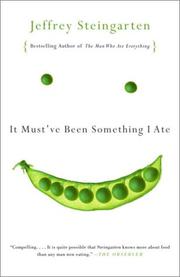 It must've been something I ateJeffrey SteingartenA side-splitting and mouth-watering plunge into the extreme lengths one man will go to for the perfect bite.
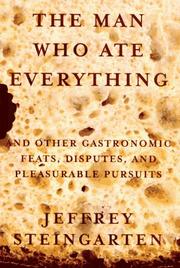 The man who ate everythingJeffrey SteingartenAn outrageously funny, mouth-watering journey fueled by gluttonous curiosity and offbeat erudition.
 CookedMichael PollanA sensory, philosophical journey into the kitchen that transforms the everyday act of cooking into elemental magic.