Books › The Denial of Death

The Denial of Death
First published 1973 · 374 pages
An unflinching, paradigm-shifting exploration of the psychological armor we build to hide from our own mortality.
What it feels like
Reading this book feels like having the ground slowly pulled out from under you, only to realize you are finally seeing the foundation of human existence for what it truly is. It is a heavy, steady, and profoundly sobering experience that demands your full intellectual and emotional attention. The prose is dense and passionately argued, weaving psychoanalytic theory with existential philosophy to strip away the comforting illusions of everyday life. The atmosphere is steeped in a kind of urgent dread, yet it ultimately offers a strange, clarifying comfort. It will deeply resonate with introspective readers, armchair philosophers, and anyone willing to stare unflinchingly into the abyss of human mortality to understand the heroic myths we construct to survive it.
- Mood
- existential
- sobering
- contemplative
- heavy
- Tone
- unflinching
- intellectual
- urgent
- profound
- earnest
- Pace
- steady
- Themes
- existential dread · the illusion of heroism · search for meaning · mortality · psychological defense mechanisms
- The writing
- Dense, erudite, and passionately argued, weaving psychoanalytic theory with urgent philosophical inquiry.
- The arc
- Begins with a confronting dismantling of human illusions and builds toward a sobering, profound acceptance of our shared existential burden.
- Who it's for
- Deep thinkers and armchair philosophers who crave rigorous, unflinching explorations of the human condition and our deepest fears.
Content notes
- existential dread
- death and dying
- mental illness discussions
About the book
"With a new foreword by Sam Keen"--Cover.
Originally published: New York: Free Press, 1973.
Includes bibliographical references and index.
Description from Open Library.
Books like The Denial of Death
See why they match Man's Search for Ultimate MeaningViktor E. FranklA profound, quiet exploration of the human soul's innate drive toward purpose, resilience, and the divine.
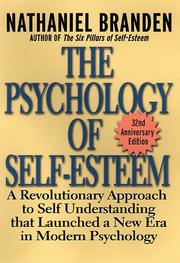 The psychology of self-esteemNathaniel BrandenA rigorous, philosophical exploration of the mind that treats self-worth not as a mystical gift, but as a rational achievement.
 Identity, youth, and crisisErik H. EriksonA foundational, essayistic exploration of how we become who we are amidst the turbulence of youth.
 The Sane SocietyErich FrommA compassionate, clear-eyed diagnosis of modern alienation that offers a hopeful blueprint for reclaiming our shared humanity.
 The Seasons of a man's lifeDaniel J. LevinsonA foundational, deeply reflective map of the psychological milestones and inevitable crises that shape adult life.
 Man and His SymbolsCarl Gustav JungA guided descent into the labyrinth of the unconscious mind, illuminating the hidden language of dreams and myths.