Books › The destiny of the republic

The destiny of the republic
623 pages
A gripping, tragic collision of politics, madness, and medical hubris that reads with the breathless urgency of a thriller.
What it feels like
Reading this book feels like watching a slow-motion train crash where you already know the tragic outcome, yet you cannot look away. It is a masterclass in narrative tension, weaving together the lives of a brilliant but reluctant leader, a delusional assassin, and a desperate inventor into a tight, propulsive web. The mood is heavily dread-soaked and claustrophobic, particularly as the narrative narrows into the stifling, agonizing confines of a nineteenth-century sickroom. The prose is cinematic and deeply empathetic, transforming distant historical figures into flesh-and-blood humans whose suffering and thwarted potential feel immediate and raw. It will utterly consume readers who love history that reads like a high-stakes thriller, offering a profound meditation on the fragility of power and the devastating cost of human hubris.
- Mood
- tense
- tragic
- claustrophobic
- dread-soaked
- Tone
- urgent
- empathetic
- authoritative
- suspenseful
- Pace
- propulsive
- Themes
- fragility of power · medical hubris · thwarted potential · national trauma · genius and madness
- The writing
- Cinematic and meticulously detailed, weaving multiple historical threads into a seamless, gripping narrative.
- The arc
- Begins with inspiring admiration for an unlikely leader, descends into agonizing, slow-burn suspense, and ends in profound, frustrating tragedy.
- Who it's for
- Readers who devour narrative history that reads like a thriller, where disparate historical figures collide in high-stakes, real-life dramas.
Content notes
- medical trauma
- gun violence
- death of a public figure
- infection and illness
About the book
James A. Garfield was one of the most extraordinary men ever elected president. Born into abject poverty, he rose to become a wunderkind scholar, a Civil War hero, and a renowned and admired reformist congressman. Nominated for president against his will, he engaged in a fierce battle with the corrupt political establishment. But four months after his inauguration, a deranged office seeker tracked Garfield down and shot him in the back. But the shot didn't kill Garfield. The drama of what happened subsequently is a powerful story of a nation in turmoil. The unhinged assassin's half-delivered strike shattered the fragile national mood of a country so recently fractured by civil war, and left the wounded president as the object of a bitter behind-the-scenes struggle for power—over his administration, over the nation's future, and, hauntingly, over his medical care. A team of physicians administered shockingly archaic treatments, to disastrous effect. As his condition worsened, Garfield received help: Alexander Graham Bell, the inventor of the telephone, worked around the clock to invent a new device capable of finding the bullet. Meticulously researched, epic in scope, and pulsating with an intimate human focus and high-velocity narrative drive, The Destiny of the Republic will stand alongside The Devil in the White City and The Professor and the Madman as a classic of narrative history. - Publisher.
Description from Open Library.
Books like The destiny of the republic
See why they match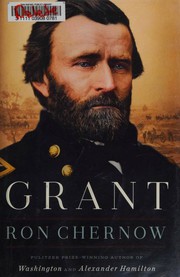 GrantRon ChernowA sweeping, deeply humanizing portrait of a quiet man who carried the weight of a fractured nation on his shoulders.
 The River of DoubtCandice MillardA gripping, sweat-soaked descent into an unforgiving jungle that tests the absolute limits of human endurance and sanity.
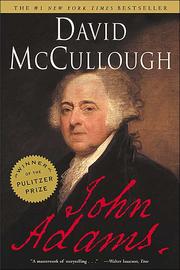 John AdamsDavid McCulloughAn immersive, deeply human portrait of a prickly but passionate founding father and the extraordinary marriage that anchored him.
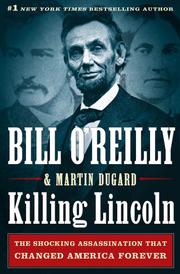 Killing LincolnBill O'ReillyA cinematic, present-tense plunge into one of history's darkest moments that reads with the breathless urgency of a ticking-clock thriller.
 The Bully PulpitDoris Kearns GoodwinA sweeping, character-driven epic that traces the rise and tragic rupture of a world-shaping political friendship.
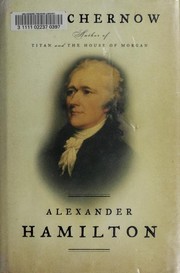 Alexander HamiltonRon ChernowA sweeping, tragic portrait of a restless genius who willed a nation into existence but could not outrun his own fatal flaws.