Books › The Dream Machine
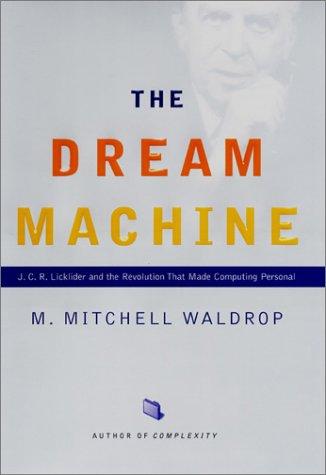
The Dream Machine
528 pages
A sweeping, meticulously detailed journey into the minds of the quiet visionaries who dreamed up the digital age.
What it feels like
Reading this book feels like stepping into the smoke-filled rooms and fluorescent-lit laboratories of the mid-twentieth century, where the modern world was quietly being born. It is a steady, deeply absorbing journey that balances the intricate mechanics of early computing with the profound humanism of its pioneers. The narrative tone is earnest and reverent, treating the evolution of the personal computer not just as a feat of engineering, but as a triumph of imagination. You are immersed in an atmosphere of visionary optimism, watching a seemingly impossible future slowly materialize through sheer intellectual will. It will thoroughly delight tech historians, curious engineers, and anyone who loves a sprawling, meticulously researched origin story about the invisible architecture of our daily lives.
- Mood
- visionary
- nostalgic
- awe-inspiring
- academic
- Tone
- earnest
- informative
- reverent
- intellectual
- Pace
- steady
- Themes
- the birth of the digital age · visionary thinking · technological optimism · institutional innovation · human-computer symbiosis
- The writing
- Clear, meticulously researched, and narrative-driven, balancing technical detail with human-centric storytelling.
- The arc
- Moves from the quiet spark of an overlooked idea to the sweeping realization of a world-changing technological paradigm.
- Who it's for
- Tech enthusiasts, history buffs, and anyone fascinated by the quiet visionaries who laid the groundwork for the modern digital world.
About the book
"The year is 1962. More than a decade will pass before personal computers emerge from the garages of Silicon Valley, and a full thirty years before the Internet explosion of the 1990s. The word computer still has an ominous tone, conjuring up the image of a huge, intimidating device hidden away in an overlit, air-conditioned basement, relentlessly processing punch cards for some large institution: them. Yet, sitting in a nondescript office in Robert McNamara's Pentagon, a quiet forty-seven-year-old civilian is already planning the revolution that will change forever the way computers are perceived. Somehow, the occupant of that office - a former MIT psychologist named J.C.R. Licklider - has seen a future in which computers will empower individuals, instead of forcing them into rigid conformity. He is almost alone in his conviction that computers can become not just superfast calculating machines but joyful machines: tools that will serve as new media of expression, inspirations to creativity, and gateways to a vast world of on line information. And now he is determined to use the Pentagon's money to make that vision a reality."--BOOK JACKET. -- Interview.
Description from Open Library.
Books like The Dream Machine
See why they match Where wizards stay up lateKatie HafnerA captivating, behind-the-scenes journey into the late-night labs where eccentric visionaries quietly wired the modern world together.
 Revolution in the valleyAndy HertzfeldAn energetic, insider's look at the eccentric brilliance and creative chaos that birthed the personal computer.
 Dealers of LightningMichael A. HiltzikA thrilling, frustrating front-row seat to a room full of geniuses inventing the future, only to watch their corporate bosses fumble the bag.
 Dreaming in codeScott RosenbergA fascinating, deeply human look at the messy, frustrating, and oddly poetic reality of trying to build something out of nothing.
 Libraries of the futureJ. C. R. LickliderA retro-futuristic blueprint of the digital age, mapping the internet decades before it existed.
 The InnovatorsWalter IsaacsonA sweeping, deeply human exploration of the collaborative genius that wired our modern world.