Books › The End of Faith

The End of Faith
336 pages
An uncompromising, razor-sharp intellectual wake-up call that dismantles the societal taboo against criticizing religious dogma.
What it feels like
Reading this book feels like stepping into a high-stakes, fiercely lit debate hall where no societal taboo is safe from scrutiny. The pacing is brisk and urgent, driven by an uncompromising intellectual energy that demands the reader's full attention. Its mood is tense yet profoundly clarifying, stripping away the comforting illusions of religious moderation to expose the raw friction between faith and reason. The prose is a masterclass in lucid, scalpel-sharp argumentation, cutting through centuries of dogma with unapologetic precision. It is a deeply provocative experience, designed not to comfort but to challenge and awaken. This is a must-read for skeptics and secularists who crave rigorous, unflinching philosophy and a rational, humanistic approach to global ethics.
- Mood
- intellectually charged
- provocative
- tense
- urgent
- Tone
- polemical
- urgent
- analytical
- uncompromising
- lucid
- Pace
- brisk
- Themes
- the danger of dogma · reason versus faith · secular ethics · the illusion of religious moderation · scientific inquiry
- The writing
- Sharp, highly articulate, and unapologetically direct, wielding logic like a scalpel.
- The arc
- Begins with a sense of urgent alarm over global atrocities and builds toward a resolute, intellectually grounded demand for rational humanism.
- Who it's for
- Skeptics, secularists, and intellectually curious readers who crave rigorous, unflinching critiques of societal taboos.
Content notes
- discussions of terrorism
- religious violence
- human atrocities
- strong anti-religious sentiment
About the book
"In The End of Faith, Sam Harris delivers an analysis of the clash between reason and religion in the modern world. He offers a historical tour of our willingness to suspend reason in favor of religious beliefs - even when these beliefs inspire the worst of human atrocities. Harris argues that in the presence of weapons of mass destruction we cannot expect to survive our religious differences indefinitely. Most controversially, he argues that "moderation" in religion poses considerable dangers of its own, as the accomodation we have made to religious faith in our society now blinds us to the role that faith plays in perpetuating human conflict." "While warning against the encroachment of organized religion into world politics, Harris draws on insights from neuroscience, philosophy, and Eastern mysticism to deliver a call for a truly modern foundation for ethics and spirituality that is both secular and humanistic."--BOOK JACKET.
Description from Open Library.
Books like The End of Faith
See why they match Islam and the future of toleranceSam HarrisAn urgent, fearless dialogue that models how to navigate polarizing ideological divides with intellectual rigor and respect.
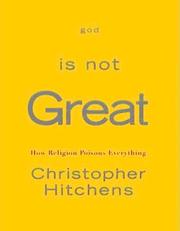 God Is Not GreatChristopher HitchensA blistering, erudite polemic that tears down dogma to make room for the awe-inspiring beauty of human reason.
 The God DelusionRichard DawkinsA fierce, unapologetic intellectual broadside that dismantles dogma while celebrating the awe-inspiring reality of the natural universe.
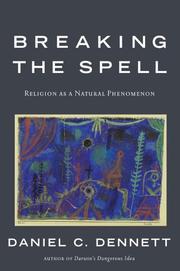 Breaking the spellDaniel C. DennettA methodical, clear-eyed dissection of humanity's oldest and most fiercely protected cultural phenomenon.
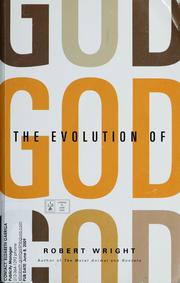 The evolution of GodWright, RobertA sweeping, intellectually rigorous journey through human history that seeks the hidden evolutionary logic behind our search for the divine.
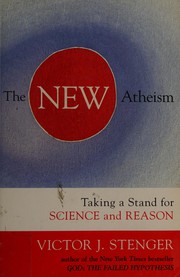 The new AtheismVictor J. StengerA rigorous, unapologetic defense of scientific rationalism that methodically dismantles the claims of organized religion.