Books › The evidence of things not seen

The evidence of things not seen
First published 1985 · 125 pages
A searing, lyrical autopsy of American justice and racial trauma through the lens of a devastating historical tragedy.
What it feels like
Reading this book feels like sitting with a brilliant, grieving elder as they dissect the open wounds of American history. The pace is steady and deliberate, demanding that you slow down and absorb the sheer weight of its insights. Baldwin's prose is characteristically lyrical yet razor-sharp, cutting through the comforting illusions of justice and progress to expose a deeply unsettling reality. The mood is somber, heavy with the ghosts of murdered children and the suffocating dread of systemic apathy. It is not an easy read, but it is an essential one, offering a profound emotional and intellectual journey. This will resonate deeply with readers who seek unflinching, beautifully crafted explorations of race, power, and the enduring scars of societal neglect.
- Mood
- heavy
- unsettling
- somber
- urgent
- Tone
- searing
- incisive
- mournful
- righteous
- analytical
- Pace
- steady
- Themes
- systemic racism · the illusion of justice · vulnerability of Black children · historical trauma · the weight of American history
- The writing
- Lyrical, piercing, and fiercely intelligent, blending journalistic observation with profound philosophical inquiry.
- The arc
- Moves from a chilling examination of a specific tragedy to a profound, lingering despair over America's enduring racial fractures.
- Who it's for
- Readers who appreciate deeply reflective, historically grounded essays that confront the darkest corners of American society with unflinching honesty.
Content notes
- child murder
- racism and racial violence
- systemic injustice
- police investigation
About the book
This edition of a classic work by one of America’s premier writers offers a new Foreword by Derrick Bell (with Janet Dewart Bell) to the 1995 paperback edition, and is as meaningful today as it was when it was first published in 1985. In his searing and moving essay, James Baldwin explores the Atlanta child murders that took place over a period of twenty-two months in 1979 and 1980. Examining this incident with a reporter’s skill and an essayist’s insight, he notes the significance of Atlanta as the site of these brutal killings—a city that claimed to be “too busy to hate”—and the permeation of race throughout the case: the black administration in Atlanta; the murdered black children; and Wayne Williams, the black man tried for the crimes. Rummaging through the ruins of American race relations, Baldwin addresses all the hard-to-face issues that have brought us a moment in history where it is terrifying to to be a black child in white America, and where, too often, public officials fail to ask real questions about “justice for all.” Baldwin takes a time-specific event and makes it timeless: The Evidence of Things Not Seen offers an incisive look at race in America through a lens at once disturbing and profoundly revealing.
Description from Open Library.
Books like The evidence of things not seen
See why they match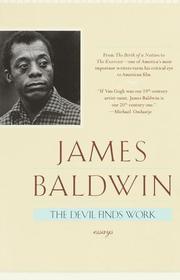 The Devil Finds WorkJames BaldwinA brilliant, searing examination of the movies we watch and the lies they tell us about ourselves.
 The fire next timeJames BaldwinA searing, intimate, and prophetic letter that demands a reckoning with America's racial soul.
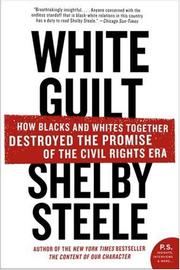 White guiltShelby SteeleA provocative and articulate exploration of the psychological shifts in American race relations, challenging readers to rethink the cultural landscape.
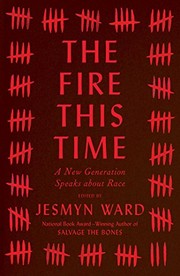 The Fire This TimeJesmyn WardA searing, polyphonic chorus of contemporary voices reckoning with America's racial past, present, and future.
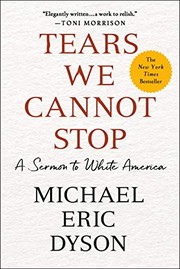 Tears we cannot stopMichael Eric DysonAn impassioned, sermonic plea that demands readers confront the uncomfortable truths of American racism and their own moral complicity.
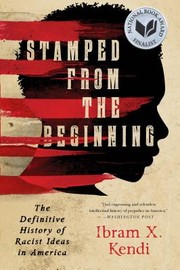 Stamped from the BeginningIbram X. KendiA monumental, paradigm-shifting journey through the intellectual history of American racism that demands a fundamental rewiring of how you view the present.