Books › The evolution of Calpurnia Tate

The evolution of Calpurnia Tate
340 pages
A sun-drenched, inquisitive summer spent catching bugs, defying expectations, and discovering the world through a magnifying glass.
What it feels like
Reading this book feels like stepping into a humid, sun-baked Texas summer at the turn of the century, armed with a magnifying glass and a boundless sense of curiosity. The narrative unfolds at a steady, deliberate pace, mirroring the slow, careful observation required of a budding naturalist. It is steeped in a warm, nostalgic mood, yet laced with a wry, precocious wit that keeps the historical setting feeling fresh and immediate. The prose is crisp and observant, perfectly capturing the quiet rebellion of a sharp-minded girl chafing against the restrictive gender roles of her era. It is a deeply comforting, character-driven experience that will delight readers who cherish intergenerational bonds, the quiet wonders of the natural world, and spunky heroines who refuse to be confined by expectations.
- Mood
- sun-drenched
- nostalgic
- curious
- humid
- Tone
- wry
- observant
- inquisitive
- warm
- Pace
- steady
- Themes
- scientific curiosity · coming of age · intergenerational bonding · defying societal expectations · the natural world
- The writing
- Crisp, observant, and laced with a dry, precocious wit that perfectly captures a bright young mind.
- The arc
- Moves from restless, misunderstood curiosity to a quiet, confident understanding of her own mind and her deep bond with her grandfather.
- Who it's for
- Readers who love historical fiction with spunky, intelligent heroines and a deep appreciation for nature and quiet family moments.
Content notes
- historical sexism
- animal death (scientific observation)
About the book
Calpurnia Virginia Tate is eleven years old in 1899 when she wonders why the yellow grasshoppers in her Texas backyard are so much bigger than the green ones.With a little help from her notoriously cantankerous grandfather, an avid naturalist, she figures out that the green grasshoppers are easier to see against the yellow grass, so they are eaten before they can get any larger. As Callie explores the natural world around her, she develops a close relationship with her grandfather, navigates the dangers of living with six brothers, and comes up against just what it means to be a girl at the turn of the century. Debut author Jacqueline Kelly deftly brings Callie and her family to life, capturing a year of growing up with unique sensitivity and a wry wit. - Publisher.
Description from Open Library.
Books like The evolution of Calpurnia Tate
See why they match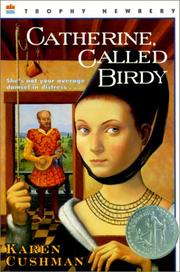 Catherine, Called BirdyKaren CushmanA fiercely funny, flea-bitten diary of a medieval teenager fighting tooth and nail for the right to choose her own destiny.
 The year of Janie's diaryDonna BalcombeAn intimate, time-capsule confession of mid-century adolescence that captures the universal growing pains of leaving childhood behind.
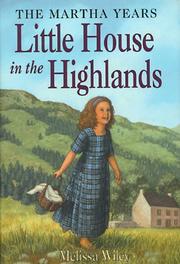 Little house in the HighlandsMelissa WileyA gentle, nostalgic window into the everyday wonders of a rural Scottish childhood.
 Penny from heavenJennifer L. HolmA warm, bittersweet summer steeped in family secrets, baseball, and the rich, chaotic love of an Italian American upbringing.
 The Penderwicks at Point MouetteJeanne BirdsallA marvelously chaotic and warm-hearted summer adventure about the growing pains of a changing family.
 The Tiger RisingKate DiCamilloA quiet, misty exploration of bottled-up grief and the fierce, wild necessity of letting feelings out.