Books › The executioner's song

The executioner's song
First published 1993 · 1136 pages
A sprawling, starkly objective descent into the American underbelly and the surreal media circus surrounding a condemned man.
What it feels like
Reading this monumental work feels like watching a slow-motion car crash in the dusty expanse of the American West. The narrative builds with a steady, meticulous rhythm, immersing you in a stark and fatalistic atmosphere where every mundane detail carries the weight of impending doom. Stripped of the author's usual stylistic flourishes, the prose is flat, colloquial, and chillingly objective, mirroring the bleak reality of its subjects. It is an exhaustive, unsentimental experience that shifts from a gritty portrait of a troubled, violent life into a surreal examination of the American media machine. This book will deeply satisfy readers who want to be entirely consumed by a sprawling, unflinching exploration of crime, punishment, and the darker corners of the human condition.
- Mood
- stark
- fatalistic
- bleak
- dusty
- oppressive
- Tone
- detached
- journalistic
- unflinching
- colloquial
- gritty
- Pace
- steady
- Themes
- the American underbelly · the media circus · cycles of violence · agency and death · the myth of the West
- The writing
- Stripped-down, flat, and colloquial, deliberately adopting the plainspoken rhythms of the American West to chilling effect.
- The arc
- Begins in the frustrating, mundane cycles of a troubled life and accelerates into a surreal, inevitable march toward a highly publicized execution.
- Who it's for
- Readers who crave exhaustive, immersive true crime and sprawling, unsentimental portraits of American darkness.
Content notes
- murder
- gun violence
- capital punishment
- domestic abuse
- incarceration
About the book
Arguably the greatest book from America's most heroically ambitious writer, THE EXECUTIONER'S SONG follows the short, blighted life of Gary Gilmore who became famous after he robbed two men in 1976 and killed them in cold blood. After being tried and convicted, he immediately insisted on being executed for his crime. To do so, he fought a system that seemed intent on keeping him alive long after it had sentenced him to death. And that fight for the right to die is what made him famous.
Description from Open Library.
Books like The executioner's song
See why they match Notes on an ExecutionDanya KukafkaA ticking-clock thriller that subverts the serial killer narrative to focus on the women caught in his wake.
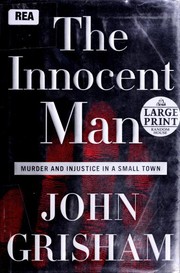 The Innocent ManJohn GrishamA harrowing, real-life legal thriller that exposes the terrifying fragility of justice in small-town America.
 Under the Banner of HeavenJon KrakauerA chilling, meticulously researched descent into the terrifying extremes of absolute faith and the violence it can inspire.
 True history of the Kelly gangPeter CareyA breathless, fiercely tender outlaw's confession scrawled on stolen paper, racing toward an inevitable tragedy.
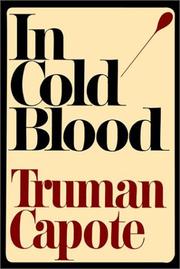 In Cold BloodTruman CapoteA masterclass in atmospheric dread that peels back the idyllic veneer of mid-century America to reveal the chilling randomness of violence.
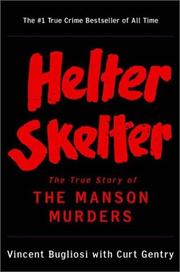 Helter SkelterVincent Bugliosi and Curt GentryA chilling, methodical descent into the darkest corners of the 1960s counterculture, guided by the prosecutor who brought the monsters to justice.