Books › The farming of bones

The farming of bones
First published 1999 · 416 pages
A devastating, gorgeously written testament to love and memory surviving in the shadow of unspeakable historical violence.
What it feels like
Reading this novel feels like holding a fragile, beautiful object while a storm gathers around you. The prose is breathtakingly lyrical, wrapping you in the sensory details of the Caribbean landscape—the smell of sugarcane, the heat of the sun—before plunging you into a dread-soaked nightmare of historical violence. It is a steady, immersive read that demands your emotional fortitude, contrasting the tender, intimate love between its characters with the sweeping brutality of a massacre. The atmosphere is heavy with sorrow but illuminated by flashes of profound human dignity. It will deeply move readers who gravitate toward elegiac, beautifully crafted historical fiction that honors the resilience of the persecuted and the enduring, haunting power of memory.
- Mood
- haunting
- dread-soaked
- tender
- sorrowful
- Tone
- elegiac
- lyrical
- devastating
- intimate
- Pace
- steady
- Themes
- the weight of memory · survival and endurance · fragility of love · trauma of displacement · scars of labor
- The writing
- Lyrical, poetic, and deeply sensory, contrasting the lush beauty of the landscape with the stark brutality of human actions.
- The arc
- Moves from a tender, fragile hope into shattering terror, ultimately settling into a haunting, scarred endurance.
- Who it's for
- Readers who appreciate gorgeous, devastating literary fiction that illuminates forgotten histories through deeply intimate character portraits.
Content notes
- genocide
- racial violence
- drowning
- grief
- trauma
About the book
It is 1937, the Dominican side of the Haitian border. Amabelle, orphaned at the age of eight when her parents drowned, is a maid to the young wife of an army colonel. She has grown up in this household, a faithful servant. Sebastien is a field hand, an itinerant sugarcane cutter. They are Haitians, useful to the Dominicans but not really welcome. There are rumors that in other towns Haitians are being persecuted, even killed. But there are always rumors.
Amabelle loves Sebastien. He is handsome despite the sugarcane scars on his face, his calloused hands. She longs to become his wife and walk into their future. Instead, terror enfolds them. But the story does not end here: it begins. The Farming of Bones is about love, fragility, barbarity, dignity, remembrance, and the only triumph possible for the persecuted: to endure.
Description from Open Library.
Books like The farming of bones
See why they match Breath, Eyes, MemoryEdwidge DanticatA passionate, haunting journey through displacement, inherited trauma, and the healing power of returning to one's roots.
 Claire of the sea lightEdwidge DanticatAn atmospheric literary saga that peels back the layers of a coastal town to reveal the hidden truths connecting its people.
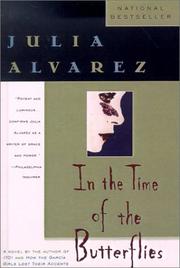 In the Time of the ButterfliesJulia AlvarezA deeply intimate chorus of sisterhood and sacrifice set against the suffocating backdrop of a brutal dictatorship.
 The book of night womenMarlon JamesA sweeping, startling immersion into the dangerous secrets and dark power of a Jamaican sugar plantation, told with breathtakingly bold prose.
 This Is How You Lose HerJunot DíazA raw, rhythmic autopsy of heartbreak and self-sabotage told by a narrator who can't stop breaking his own heart.
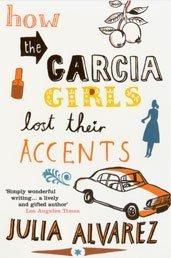 How the Garcia Girls Lost Their AccentsJulia AlvarezA vibrant, reverse-chronological mosaic of sisterhood, memory, and the bittersweet cost of assimilation.