Books › The Female Malady

The Female Malady
First published 1985 · 320 pages
A chilling, meticulously researched exploration of how the medical establishment weaponized madness to control women.
What it feels like
Reading this book feels like walking through the cold, echoing halls of a Victorian asylum with a brilliant, fiercely empathetic guide. It is a steady, sobering journey that peels back the clinical language of psychiatry to reveal the deeply ingrained misogyny beneath. The prose is lucid and authoritative, weaving together chilling historical records, literary analysis, and the heartbreaking personal diaries of institutionalized women. The atmosphere is undeniably heavy and oppressive, yet the intellectual clarity of the argument provides a propulsive energy that keeps you turning the pages. It will deeply resonate with readers who are fascinated by feminist history, the cultural construction of illness, and the enduring power of silenced voices.
- Mood
- harrowing
- sobering
- intellectually rigorous
- oppressive
- Tone
- scholarly
- indignant
- analytical
- empathetic
- incisive
- Pace
- steady
- Themes
- medicalization of womanhood · institutional control · gendered madness · silencing of female voices · cultural construction of illness
- The writing
- Lucid, authoritative, and deeply researched, blending academic rigor with compelling narrative storytelling.
- The arc
- Moves from a sense of historical outrage at systemic oppression to a sobering recognition of how deeply ingrained these cultural narratives remain.
- Who it's for
- Feminist scholars, history buffs, and readers fascinated by the intersection of psychology, gender, and societal control.
Content notes
- medical abuse
- institutionalization
- misogyny
- mental illness
- psychiatric trauma
About the book
In this informative, timely and often harrowing study, Elaine Showalter demonstrates how cultural ideas about 'proper' feminine behaviour have shaped the definition and treatment of female insanity for 150 years, and given mental disorder in women specifically sexual connotations. Along with vivid portraits of the men who dominated psychiatry, and descriptions of the therapeutic practices that were used to bring women 'to their senses', she draws on diaries and narratives by inmates, and fiction from Mary Wollstonecraft to Doris Lessing, to supply a cultural perspective usually missing from studies of mental illness.
Highly original and beautifully written, The Female Malady is a vital counter-interpretation of madness in women, showing how it is a consequence of, rather than a deviation from, the traditional female role.
Description from Open Library.
Books like The Female Malady
See why they match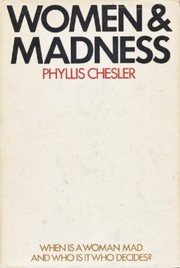 Women & madnessPhyllis CheslerA fiery, paradigm-shifting exploration of how the psychiatric establishment has historically weaponized the concept of sanity against women.
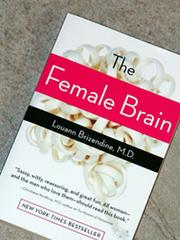 The Female BrainLouann BrizendineAn illuminating, science-backed journey through the biological rhythms and hormonal landscapes that shape women's lives.
 The female eunuchGermaine GreerA searing, passionately argued treatise that delivers a shock wave of recognition regarding the social and psychological conditioning of women.
 Delusions of genderCordelia FineA witty, razor-sharp dismantling of the junk science that insists men and women are biologically wired to be fundamentally different.
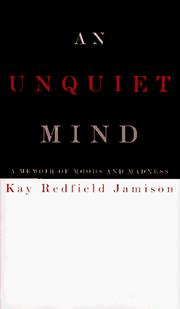 An unquiet mindKay Redfield JamisonA fiercely articulate descent into the terrifying highs and crushing lows of a brilliant, fractured mind.
 Fat is a feminist issueSusie OrbachA compassionate, paradigm-shifting exploration that transforms personal body struggles into a powerful feminist awakening.