Books › The First Casualty

The First Casualty
First published 2005 · 448 pages
A tense historical thriller that plunges into the mud and moral ambiguity of the Great War's front lines.
What it feels like
Reading this historical thriller feels like stepping directly into the mud and moral ambiguity of 1917 Belgium. The narrative moves at a brisk, urgent pace, driven by the tension of an investigation unfolding in the most chaotic of environments—the front lines of the Great War. There is a profound sense of dread and claustrophobia that permeates the atmosphere, contrasting the high-minded ideals of poetry and conscientious objection with the visceral, gritty reality of the trenches. The prose is atmospheric and grounded, keeping the reader anchored in the somber reality of the era while maintaining the propulsive momentum of a classic detective story. It is a perfect match for readers who crave historical mysteries that blend relentless suspense with deep, harrowing questions about duty, truth, and the devastating cost of conflict.
- Mood
- tense
- dread-soaked
- mud-spattered
- claustrophobic
- Tone
- somber
- urgent
- gritty
- investigative
- Pace
- brisk
- Themes
- duty versus conscience · seeking truth in chaos · the brutal cost of war · moral ambiguity
- The writing
- Tense and atmospheric, balancing the sharp pacing of a thriller with the grim, grounded reality of historical warfare.
- The arc
- Moves from principled isolation into a harrowing, high-stakes confrontation with the brutal realities of war and hidden truths.
- Who it's for
- Readers who devour historical mysteries that plunge them into the grit of the trenches while wrestling with complex moral questions.
Content notes
- war violence
- death
- imprisonment
About the book
A conscientious objector is released from prison and sent to the front lines to investigate the death of a British officer and celebrated poet.
Description from Open Library.
Books like The First Casualty
See why they match Time and Time AgainBen EltonA desperate, fast-paced race against time to rewrite the twentieth century and stop a global catastrophe before it begins.
 The October ManBen AaronovitchA dryly funny, procedural romp where ancient magic meets modern German bureaucracy.
 SanctusSimon ToyneA high-stakes, shadowy thriller where ancient secrets and modern investigations collide to threaten the foundations of reality.
 Dead Men's MoneyJoseph Smith FletcherA classic, atmospheric puzzle-thriller that plunges an ordinary clerk into a shadowy world of midnight meetings and deadly secrets.
 The unpleasantness at the Bellona ClubDorothy L. SayersA classic British mystery that wraps a sharp critique of post-war trauma in the cozy, leather-bound trappings of a London gentlemen's club.
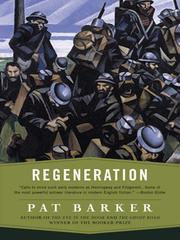 RegenerationPat BarkerA quiet, devastating exploration of shattered minds and the impossible ethics of healing men only to send them back to the slaughter.