Books › The Golem
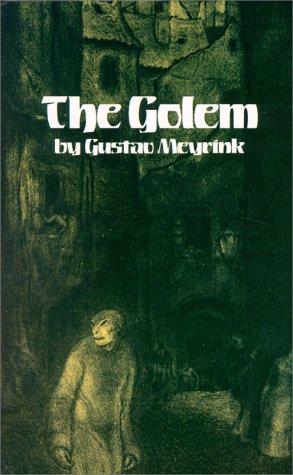
The Golem
First published 2000 · 412 pages
A fever dream of fractured identity and esoteric mystery set in the shadowy, labyrinthine alleys of a decaying city.
What it feels like
Reading this book feels like wandering through a dense, fog-choked labyrinth where the walls themselves are whispering. It operates entirely on dream logic, pulling you into a claustrophobic, shadow-drenched world where the line between waking life and hallucination completely dissolves. The narrative pace is intentionally meandering, prioritizing psychological dread and esoteric philosophy over traditional plot mechanics. You are submerged in an atmosphere of urban decay and mystical paranoia, surrounded by characters who feel like fragmented reflections in a broken mirror. The prose is thick with gothic symbolism and spiritual alchemy, demanding a slow, deliberate reading. It is a deeply unsettling yet mesmerizing experience, perfect for readers who crave surreal weird fiction and do not mind losing their way in the dark.
- Mood
- claustrophobic
- hallucinatory
- shadow-drenched
- mystical
- Tone
- surreal
- philosophical
- eerie
- melancholic
- Pace
- meandering
- Themes
- fractured identity · the weight of history · madness versus reality · spiritual alchemy · urban decay
- The writing
- Dense, atmospheric, and heavily symbolic, the prose weaves esoteric philosophy into gothic, dreamlike descriptions of a decaying city.
- The arc
- The journey begins in disorienting amnesia, spirals through a claustrophobic nightmare of paranoia, and culminates in a strange, esoteric transcendence.
- Who it's for
- Fans of Kafkaesque surrealism and early weird fiction who enjoy losing themselves in labyrinthine, psychologically complex narratives.
Content notes
- psychological distress
- murder
- suicide
- historical antisemitism
- confinement
About the book
A masterpiece of surreal fantasy. The protagonist, called Athanasius Pernath is flung from the present, to the past, from one nightmare situation where the characters he meets have no link with anyon else. Underlying all the surface panic is a decades-old tragedy, followed by a present-day one. Kafka and Meyrink were contemporaries in the same city, and both possessed the gift of fantasy. It is not correct to say that Meyrink imitates Kafka. If anything, he outdoes Kafka in his bizarre surrealism
Description from Open Library.
Books like The Golem
See why they match Golem and the JinniHelene WeckerA richly atmospheric fable of two displaced mythical beings finding solace in each other amidst the bustling, gaslit streets of turn-of-the-century New York.
 The King in YellowRobert W. ChambersA lush, hallucinatory descent into beautiful madness fueled by a forbidden text that unravels the mind.
 The diaries of Franz KafkaFranz KafkaAn unbearably intense, penetrating descent into the dreams, guilt, and profound alienation of a brilliant, troubled mind.
 The Hill of DreamsArthur MachenA lush, hallucinatory descent into the mind of a doomed artist consumed by his own dark, pagan imaginings.
 Der ProceßFranz KafkaA suffocating descent into a bureaucratic labyrinth where logic is a weapon and guilt is assumed.
 The circus of Dr. LaoCharles G. FinneyA darkly satirical carnival ride that strips away the mundane illusions of small-town life to reveal the terrifying, absurd wonders beneath.