Books › The Good Lord Bird

National Book Award for Fiction 2013
The Good Lord Bird
876 pages
A raucous, tragicomic romp through the blood-soaked absurdity of antebellum America, anchored by an unforgettable, fast-talking survivor.
What it feels like
Reading this novel feels like being swept up in a chaotic, dust-choked tornado of American history, guided by a narrator whose survival depends entirely on his wits and a borrowed dress. The experience is wildly picaresque and deeply irreverent, blending the boisterous energy of a tall tale with the brutal, sobering realities of antebellum violence. The prose crackles with vernacular brilliance, delivering laugh-out-loud absurdity one moment and gut-punching tragedy the next. It is a masterclass in tone, balancing the sheer madness of religious fanaticism with a tender, clear-eyed humanity. This is a book for readers who crave voice-driven historical fiction that refuses to be stuffy, offering instead a gritty, propulsive, and profoundly moving exploration of identity, freedom, and the messy theater of revolution.
- Mood
- chaotic
- gritty
- absurd
- poignant
- Tone
- satirical
- irreverent
- tragicomic
- boisterous
- wry
- Pace
- brisk
- Themes
- absurdity of fanaticism · survival through performance · fluidity of identity · legacy of American slavery · madness versus righteousness
- The writing
- Exuberant, vernacular-heavy, and wildly inventive, blending tall-tale humor with sharp historical realism.
- The arc
- The journey moves from bewildered survival and chaotic comedy to a profound, sobering reckoning with history and sacrifice.
- Who it's for
- Readers who love dark historical satire, picaresque adventures, and brilliant voice-driven narratives that tackle heavy subjects with biting humor.
Content notes
- racism and racial slurs
- enslavement
- gun violence
- historical trauma
- execution
About the book
Fleeing his violent master at the side of abolitionist John Brown at the height of the slavery debate in mid-nineteenth-century Kansas Territory, Henry pretends to be a girl to hide his identity throughout the raid on Harpers Ferry in 1859.
Description from Open Library.
Books like The Good Lord Bird
See why they match The Underground RailroadColson WhiteheadA harrowing, surreal odyssey through the darkest chapters of American history, propelled by an unyielding will to survive.
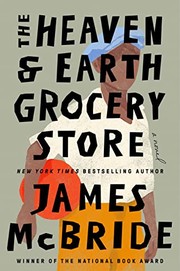 The Heaven & Earth Grocery StoreJames McBrideA big-hearted, polyphonic tapestry of marginalized lives intertwining to protect their own against the crushing weight of prejudice.
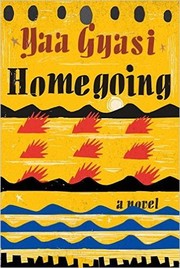 HomegoingYaa GyasiA sweeping, devastatingly beautiful tapestry of history that traces the invisible threads of trauma and resilience across generations.
 The kitchen houseKathleen GrissomA heartbreaking, atmospheric immersion into the brutal hierarchies of a Southern plantation, where loyalties are tested by the unforgiving lines of race and class.
 The invention of wingsSue Monk KiddA sweeping, deeply interior historical journey that traces the intertwined destinies of two women fighting for freedom against the suffocating constraints of the 19th-century South.
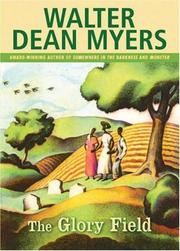 The Glory FieldWalter Dean MyersA sweeping, deeply rooted family saga that traces the enduring bonds of ancestry across centuries of struggle and triumph.