Books › The Grapes of Wrath

The Grapes of Wrath
First published 1939 · 940 pages
A sweeping, dust-choked epic of survival that burns with righteous indignation and radical empathy.
What it feels like
Reading this novel feels like walking a long, dust-choked highway under a relentless sun. It is a steady, sweeping epic that balances the intimate, colloquial struggles of one displaced family with grand, biblical observations on the cruelty of unchecked capitalism. The prose shifts seamlessly between gritty, grounded dialogue and soaring, prophetic narration that burns with righteous indignation. You will feel the grit in your teeth and the ache of empty stomachs, but also the profound, stubborn resilience of the human spirit. It is a heavy, emotionally taxing journey that moves from desperate hope to crushing disillusionment, yet ultimately lands on a haunting note of radical, desperate solidarity. This is for readers who want historical fiction that challenges the conscience and leaves a permanent mark on the soul.
- Mood
- dust-choked
- oppressive
- bleak
- resilient
- Tone
- earnest
- indignant
- compassionate
- prophetic
- Pace
- steady
- Themes
- human dignity · collective struggle · cruelty of capitalism · familial bonds · radical solidarity
- The writing
- Rhythmic and biblical in its sweeping observations, yet deeply grounded in the raw, colloquial dialect of its characters.
- The arc
- From desperate hope and displacement to crushing disillusionment, culminating in a profound act of radical solidarity.
- Who it's for
- Readers who appreciate sweeping social realism, historical fiction with a strong moral compass, and stories of profound human endurance.
Content notes
- poverty
- starvation
- death of family members
- stillbirth
- police brutality
About the book
Steinbeck’s classic novel of the Great Depression is as vivid now as ever. The story focuses on a family of Oklahoma sharecroppers, farmers who work another man’s land for a share of the crops. Driven from their home by drought and poverty they take to the road in a battered old truck and make their way to California to look for work. When they arrive they find hundreds of others like them being forced to work for breadline wages. they begin working as fruit pickers, strike-breakers replacing the people who have been trying to establish a union but their consciences force them to leave.
Description from Open Library.
Books like The Grapes of Wrath
See why they match Of Mice and MenJohn SteinbeckA devastating, tightly coiled portrait of brotherhood and shattered dreams in the dusty margins of America.
 In Dubious BattleJohn SteinbeckA gritty, tension-fueled descent into the moral compromises and brutal realities of a labor strike.
 Of Mice and Men & Cannery RowJohn StienbeckA deeply human exploration of friendship, poverty, and the fragile dreams that sustain us in a harsh world.
 Tobacco RoadErskine CaldwellA sweltering, unflinching descent into the grotesque realities of rural desperation and moral decay.
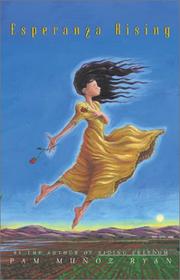 Esperanza RisingPam Muñoz RyanA sensory, deeply grounded journey of losing everything and finding a new kind of wealth in community and the earth.
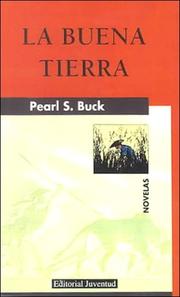 The Good EarthPearl S. BuckAn elemental, sweeping saga of a family's rise from the soil and the heavy, inevitable cost of leaving their roots behind.