Books › The great transformation

The great transformation
the beginning of our religious traditions
First published 2006 · 790 pages
A sweeping, contemplative journey into the ancient origins of human spirituality and the enduring power of compassion.
What it feels like
Reading this book feels like standing at the crossroads of human history, watching the dawn of our most profound spiritual and philosophical traditions. The pace is steady and expansive, guiding the reader through the ancient worlds of China, India, Israel, and Greece with a scholarly yet deeply compassionate tone. It cultivates a contemplative, sober mood, acknowledging the unprecedented violence that birthed these faiths while emphasizing their shared call for empathy and the abandonment of selfishness. The prose is authoritative and clear, distilling centuries of complex social evolution into accessible, urgent insights. It is a deeply resonant experience for readers who seek to understand the roots of global religions and find ancient wisdom to navigate the desperation of our modern era.
- Mood
- contemplative
- expansive
- reverent
- sober
- Tone
- scholarly
- earnest
- reflective
- compassionate
- urgent
- Pace
- steady
- Themes
- the origins of faith · compassion in the face of violence · the search for meaning · spiritual evolution · the rejection of selfishness
- The writing
- Clear, authoritative, and deeply thoughtful, weaving vast historical timelines into accessible philosophical insights.
- The arc
- Moves from the sobering reality of ancient violence to a profound, hopeful recognition of humanity's shared capacity for compassion.
- Who it's for
- Readers seeking a sweeping, intellectually rigorous exploration of how ancient spiritual traditions can offer solace and guidance in modern times.
Content notes
- discussions of historical violence
- human suffering
About the book
In the ninth century BCE, the peoples of four distinct regions of the civilized world created the religious and philosophical traditions that have continued to nourish humanity to the present day: Confucianism and Daoism in China, Hinduism and Buddhism in India, monotheism in Israel, and philosophical rationalism in Greece. Later generations further developed these initial insights, but we have never grown beyond them. Now, Karen Armstrong reveals how the sages of this pivotal "Axial Age" can speak clearly and helpfully to the violence and desperation that we experience in our own times. The Axial Age faiths began in recoil from the unprecedented violence of their time. There was a remarkable consensus in their call for an abandonment of selfishness and a spirituality of compassion. The traditions of the Axial Age were not about dogma--all insisted on the primacy of compassion even in the midst of suffering.--From publisher description.
Description from Open Library.
Books like The great transformation
See why they match The Case for GodKaren ArmstrongA sweeping, contemplative journey through the history of human attempts to understand the divine.
 A history of GodKaren ArmstrongA sweeping, intellectually rigorous journey through four millennia of human attempts to understand and define the divine.
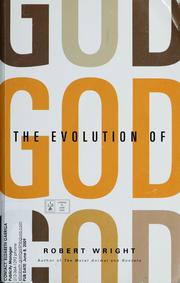 The evolution of GodWright, RobertA sweeping, intellectually rigorous journey through human history that seeks the hidden evolutionary logic behind our search for the divine.
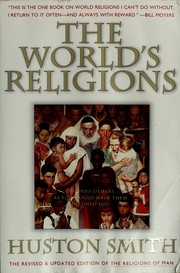 The World's ReligionsHuston SmithA reverent, expansive journey into the spiritual heartbeat of humanity's greatest wisdom traditions.
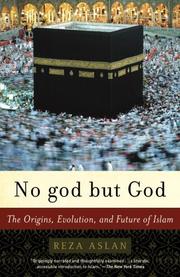 No god but GodReza AslanA sweeping, narrative-driven journey through the history of a misunderstood faith that feels both deeply scholarly and profoundly human.
 The Silk RoadsPeter FrankopanA sweeping, panoramic journey that recenters the globe and fundamentally shifts how you view the history of human civilization.