Books › The Happiest Man on Earth

The Happiest Man on Earth
208 pages
A grandfatherly voice reaches through the darkest chapters of history to offer a radiant, life-affirming lesson on choosing joy.
What it feels like
Reading this memoir feels like sitting at a kitchen table with a beloved, wise elder who has seen the absolute worst of humanity but still chooses to smile. The narrative moves at a steady, conversational pace, guiding you through harrowing historical atrocities with a remarkably gentle hand. Despite the dread-soaked reality of the concentration camps, the overarching atmosphere is profoundly life-affirming and hopeful. The prose is simple and unadorned, stripping away literary pretense to deliver raw, earnest truths about resilience and gratitude. It is a deeply moving experience that will resonate with anyone seeking perspective on their own struggles, offering a radiant reminder that happiness is not a given, but a courageous daily choice.
- Mood
- harrowing
- hopeful
- life-affirming
- deeply moving
- Tone
- earnest
- conversational
- uplifting
- grandfatherly
- resilient
- Pace
- steady
- Themes
- choosing happiness · surviving trauma · power of gratitude · enduring human spirit · honoring the lost
- The writing
- Simple, direct, and deeply conversational, the writing feels like sitting across the table from a wise elder.
- The arc
- The journey plunges into the darkest depths of human cruelty before emerging into a radiant, hard-won embrace of life and gratitude.
- Who it's for
- Readers seeking profound perspective and life-affirming wisdom born from unimaginable historical trauma.
Content notes
- Holocaust atrocities
- antisemitism
- concentration camps
- starvation
- torture
- death of family members
- grief
About the book
In this uplifting memoir in the vein of The Last Lecture and Man’s Search for Meaning, a Holocaust survivor pays tribute to those who were lost by telling his story, sharing his wisdom, and living his best possible life.
Born in Leipzig, Germany, into a Jewish family, Eddie Jaku was a teenager when his world was turned upside-down. On November 9, 1938, during the terrifying violence of Kristallnacht, the Night of Broken Glass, Eddie was beaten by SS thugs, arrested, and sent to a concentration camp with thousands of other Jews across Germany. Every day of the next seven years of his life, Eddie faced unimaginable horrors in Buchenwald, Auschwitz, and finally on a forced death march during the Third Reich’s final days. The Nazis took everything from Eddie—his family, his friends, and his country. But they did not break his spirit.
Against unbelievable odds, Eddie found the will to survive. Overwhelming grateful, he made a promise: he would smile every day in thanks for the precious gift he was given and to honor the six million Jews murdered by Hitler. Today, at 100 years of age, despite all he suffered, Eddie calls himself the “happiest man on earth.” In his remarkable memoir, this born storyteller shares his wisdom and reflects on how he has led his best possible life, talking warmly and openly about the power of gratitude, tolerance, and kindness. Life can be beautiful if you make it beautiful. With The Happiest Man on Earth, Eddie shows us how.
Filled with his insights on friendship, family, health, ethics, love, and hatred, and the simple beliefs that have shaped him, The Happiest Man on Earth offers timeless lessons for readers of all ages, especially for young people today.
Description from Open Library.
Books like The Happiest Man on Earth
See why they match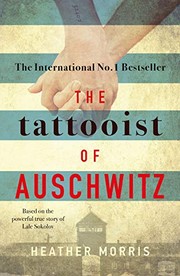 The Tattooist of Auschwitz: the heart-breaking and unforgettable international bestsellerHeather MorrisA harrowing but deeply hopeful testament to love's ability to survive in the darkest of places.
 Cilka's JournalHeather MorrisA harrowing but deeply hopeful testament to the lengths a woman will go to survive and the healing power of compassion in the darkest of places.
 Child of the HolocaustJack KuperA stark, deeply personal testament to survival and the shattering of childhood during one of history's darkest chapters.
 ... Trotzdem Ja zum Leben sagenViktor E. FranklA harrowing but profoundly hopeful exploration of how to find purpose in the darkest of human experiences.
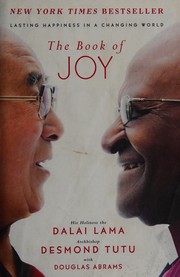 The book of joyDalai LamaA warm, laughter-filled conversation between two spiritual giants that feels like a soothing balm for a weary soul.
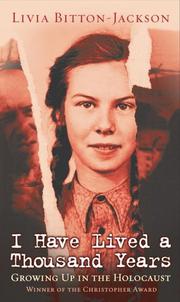 I Have Lived a Thousand YearsLivia Bitton-JacksonA harrowing yet deeply human testament to a teenager's survival and the unbreakable bond between mother and daughter in the darkest of times.