Books › The house of conflict

The house of conflict
First published 1978 · 357 pages
A vintage English romance where the quiet beauty of the Dartmoor countryside masks deep-seated family resentments and tangled romantic misunderstandings.
What it feels like
Reading this vintage 1950s romance feels like stepping into a beautiful but shadowed English country estate, where the idyllic pastoral surroundings stand in stark contrast to the simmering emotional turbulence indoors. The narrative unfolds at a steady, deliberate pace, drawing the reader into a web of quiet angst, romantic misunderstandings, and long-held family resentments. There is a brooding, melancholic atmosphere that permeates the story, driven by the heavy weight of past grief and the toxic obsession of a fractured family. It is a deeply earnest and dramatic experience, perfect for readers who delight in mid-century English fiction where blossoming affection is constantly threatened by hidden tensions, unspoken jealousies, and the lingering ghosts of the past.
- Mood
- pastoral
- shadowed
- tense
- brooding
- Tone
- earnest
- dramatic
- melancholic
- romantic
- Pace
- steady
- Themes
- family resentment · shadows of the past · romantic misunderstandings · grief and obsession · hidden tensions
- The writing
- Traditional mid-century English prose that contrasts the quiet beauty of the Dartmoor countryside with the simmering turbulence of domestic drama.
- The arc
- Begins with idyllic hope and blossoming affection, descending into a tangled web of suspicion and despair as past griefs poison the present.
- Who it's for
- Readers who love vintage 1950s English romances where beautiful estates hide brooding family secrets and quiet emotional angst.
Content notes
- grief
- family dysfunction
- death of a sibling (past)
About the book
When Pauline Avon went as secretary to Mr. Cedar, she thought she had found the perfect job. She was entranced by the beautiful house, the quiet Dartmoor countryside, the friendliness of the family - and she soon realised that she and Mark, the eldest son, were drawn together in something more than mere friendship. But she sensed that under the surface, something was wrong.
Old Mr. Cedar was writing the biography of his son John, killed twenty years before in a climbing accident, and the memory of his dead son obsessed him so much that his other children, shut out of his affections, had grown up resenting their father, and each other.
Then, after a foolish misunderstanding, Mark began to suspect that Pauline and Derek, his younger brother, were having an affair - and Derek, for reasons of his own, was content to let him go on believing it. Suddenly Pauline's happiness turned to despair.
Description from Open Library.
Books like The house of conflict
See why they match The Young RomanticIris BromigeA gentle, vintage romance that contrasts youthful idealism with worldly cynicism against the cozy backdrop of a 1960s English country hotel.
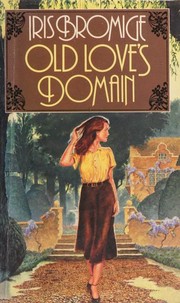 Old Love's DomainIris BromigeA gentle, atmospheric retreat into an English country house where a grieving woman slowly thaws and awakens to the terrifying beauty of present love.
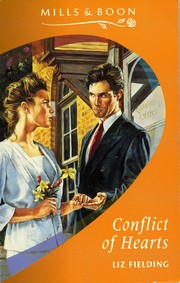 Conflict of HeartsLiz FieldingA classic, breezy battle of wits where a cynical boss and a guarded heroine try to out-stubborn their undeniable chemistry.
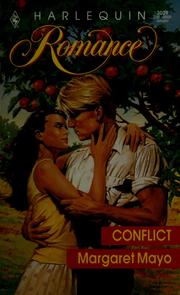 ConflictMargaret MayoA tense, emotionally charged romance where protecting a family legacy collides with the irresistible pull of an old flame.
 The hawk and the doveAnne HampsonA classic vintage romance steeped in domestic tension, where a pragmatic bargain slowly unravels into agonizing, unspoken yearning.
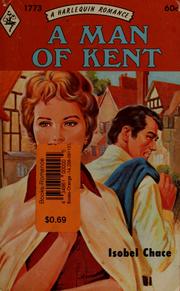 A man of KentIsobel ChaceA nostalgic, gently dramatic journey through the English countryside where duty and unexpected romance collide.