Books › The Invention of Hugo Cabret

The Invention of Hugo Cabret
544 pages
A cinematic, clockwork mystery where sweeping charcoal drawings and sparse text interlock to tell a story of broken things made whole.
What it feels like
A deeply atmospheric, cinematic experience that blurs the line between novel, picture book, and film. Reading it feels like stepping into a shadowy, ticking clock tower, where every turn of the page reveals a new, breathtaking charcoal illustration that carries the story forward without a single word. The pace is incredibly brisk; despite its hefty page count, the visual sequences create a propulsive, movie-like momentum. It is steeped in a nostalgic, wondrous mood, exploring the magic of early cinema and the profound human need to repair broken things, whether they are mechanical automatons or grieving hearts. With its sparse, precise prose and sweeping visual narrative, this is a perfect read for anyone who delights in mechanical mysteries, hidden histories, and the pure, tactile joy of a beautifully crafted book.
- Mood
- cinematic
- shadowy
- atmospheric
- clockwork
- Tone
- earnest
- wondrous
- nostalgic
- mysterious
- Pace
- brisk
- Themes
- the magic of early cinema · found family · repairing broken things · art and machinery · hidden histories
- The writing
- Sparse, precise, and deeply visual, seamlessly handing the narrative baton to sweeping, cinematic charcoal illustrations.
- The arc
- From lonely, desperate survival in the shadows to a joyful, illuminated sense of belonging and purpose.
- Who it's for
- Readers of all ages who love visual storytelling, mechanical mysteries, and love letters to the history of film.
Content notes
- orphanhood
- grief
- parental death
- child homelessness
About the book
ORPHAN, CLOCK KEEPER, AND THIEF, twelve-year-old Hugo lives in the walls of a busy Paris train station, where his survival depends on secrets and anonymity. But when his world suddenly interlocks with an eccentric girl and the owner of a small toy booth in the train station, Hugo’s undercover life, and his most precious secret, are put in jeopardy. A cryptic drawing, a treasured notebook, a stolen key, a mechanical man, and a hidden message all come together...in The Invention of Hugo Cabret.
This 526-page book is told in both words and pictures. The Invention of Hugo Cabret is not exactly a novel, and it’s not quite a picture book, and it’s not really a graphic novel, or a flip book, or a movie, but a combination of all these things. Each picture (there are nearly three hundred pages of pictures!) takes up an entire double page spread, and the story moves forward because you turn the pages to see the next moment unfold in front of you.
Description from Open Library.
Books like The Invention of Hugo Cabret
See why they match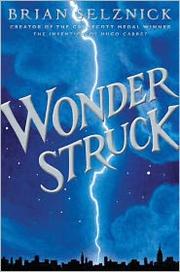 WonderstruckBrian SelznickA cinematic, dual-timeline journey told through both words and pictures about finding connection in the quiet halls of a museum.
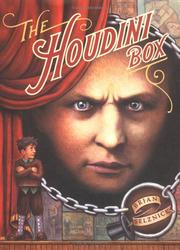 The Houdini BoxBrian SelznickA nostalgic, beautifully illustrated ode to childhood wonder and the secrets we unlock when we finally believe in ourselves.
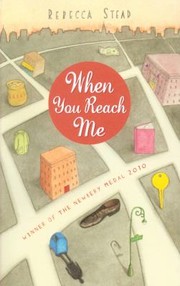 When You Reach MeRebecca SteadA clever, time-bending puzzle box wrapped in a tender coming-of-age story about shifting friendships and 1970s New York.
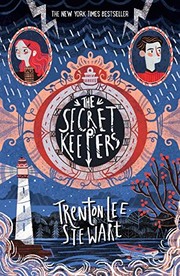 The Secret KeepersTrenton Lee StewartA thrilling, secret-laden adventure where a magical pocket watch forces a young boy to choose between his honest nature and the dangerous lure of heroism.
 The Book ThiefMarkus ZusakA devastatingly beautiful meditation on the power of words, narrated by a compassionate Death who watches humanity at its darkest and brightest.
 The Graveyard BookNeil GaimanA spooky, tender coming-of-age tale wrapped in graveyard mist and the bittersweet ache of growing up.