Books › The Invention of Solitude

The Invention of Solitude
First published 2007 · 304 pages
A quiet, haunting meditation on the spaces people leave behind and the fragmented nature of memory.
What it feels like
Reading this feels like wandering through an empty house, examining the objects left behind by someone you never fully understood. It is a deeply cerebral and quiet experience, moving at a meandering pace as it shifts from a raw, elegiac portrait of an emotionally absent father to a sprawling, essayistic exploration of memory, chance, and solitude. The mood is somber and hauntingly still, wrapped in prose that is austere yet fiercely intelligent. It doesn't offer neat emotional resolutions; instead, it invites you into a labyrinth of philosophical inquiry and literary reflection. This is a book for those who appreciate genre-defying memoirs where personal grief becomes a lens for examining the fundamental isolation of the human condition.
- Mood
- somber
- quiet
- contemplative
- haunting
- Tone
- elegiac
- introspective
- philosophical
- detached
- probing
- Pace
- meandering
- Themes
- the unknowability of others · grief and absence · the architecture of memory · paternal legacy · the role of chance
- The writing
- The prose is austere, precise, and essayistic, weaving personal fragments with literary and philosophical reflections.
- The arc
- The journey shifts from the raw, immediate confrontation with an emotionally distant father's death to a sprawling, intellectual meditation on memory and existence.
- Who it's for
- For readers who love cerebral, genre-blurring memoirs that treat personal grief as a puzzle of memory and identity.
Content notes
- death of a parent
- grief
- family secrets
- historical murder
About the book
The Invention of Solitude is Paul Auster's first memoir, published in the year 1982. The book is divided into two separate parts, Portrait of an Invisible Man, which concerns the sudden death of Auster's father, and The Book of Memory, in which Auster delivers his personal opinions concerning subjects such as coincidence, fate, and solitude, subjects that have become trademarks of Auster's works.
Description from Open Library.
Books like The Invention of Solitude
See why they match InvisiblePaul AusterA seductive, labyrinthine puzzle of memory and betrayal that shifts its shape just as you think you've grasped the truth.
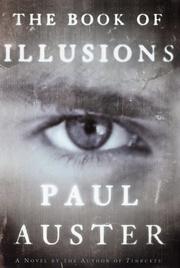 The Book of IllusionsPaul AusterA hypnotic, grief-soaked descent into the shadowy world of lost art and the illusions that keep us alive.
 Manhood for amateursMichael ChabonA warm, wry, and deeply articulate exploration of the fumbling, beautiful mess of modern fatherhood and middle age.
- Speak, MemoryVladimir NabokovA dazzling, jewel-toned excavation of a lost past that treats memory itself as the ultimate work of art.
 Wonder BoysMichael ChabonA chaotic, weed-hazed weekend of literary crises and autumnal melancholy that ultimately finds grace in letting go.
 How to Be AloneJonathan FranzenA sharp, introspective defense of reading, privacy, and the quiet spaces of the mind in an increasingly noisy world.