Books › The inverted world

The inverted world
First published 1974 · 387 pages
A methodical, mind-bending descent into a world where the very laws of physics and geometry are terrifyingly subjective.
What it feels like
Reading this novel feels like slowly waking up inside an impossible optical illusion. It begins with a steady, almost clinical detachment, grounding you in the meticulous, grueling logistics of a society obsessed with survival. But as the narrative pushes outward into the unknown, the atmosphere grows increasingly surreal and deeply disorienting. The prose remains clean and methodical, which only heightens the eerie, creeping dread as the fundamental laws of geometry and physics begin to warp. It is a brilliant, slow-burn puzzle box of a book that trades explosive action for profound epistemological shock. Fans of conceptual, idea-driven science fiction will be captivated by its claustrophobic mood and the sheer, mind-bending audacity of its central revelation.
- Mood
- claustrophobic
- surreal
- disorienting
- eerie
- Tone
- analytical
- detached
- earnest
- bewildered
- Pace
- steady
- Themes
- subjectivity of perception · epistemological uncertainty · burden of tradition · illusion versus reality · existential isolation
- The writing
- Clean, methodical, and deliberately clinical, grounding the increasingly surreal geometry of the world in stark, documentary-like realism.
- The arc
- The journey shifts from rigid, unquestioning certainty into a profound, paradigm-shattering disorientation as the true nature of reality is revealed.
- Who it's for
- Readers who crave conceptual, idea-driven science fiction that functions as a slow-burn puzzle box of spatial and existential mystery.
Content notes
- existential dread
- claustrophobia
- societal sexism
About the book
The city is winched along tracks through a devastated land full of hostile tribes. Rails must be freshly laid ahead of the city and carefully removed in its wake. Rivers and mountains present nearly insurmountable challenges to the ingenuity of the city's engineers. But if the city does not move, it will fall farther and farther behind the "optimum" into the crushing gravitational field that has transformed life on Earth. The only alternative to progress is death. The secret directorate that governs the city makes sure that its inhabitants know nothing of this. Raised in common in creches, nurtured on synthetic food, prevented above all from venturing outside the closed circuit of the city, they are carefully sheltered from the dire necessities that have come to define human existence. And yet the city is in crisis. The people are growing restive, the population is dwindling, and the rulers know that, for all their efforts, slowly but surely the city is slipping ever farther behind the optimum. Helward Mann is a member of the city's elite. Better than anyone, he knows how tenuous is the city's continued existence. But the world--he is about to discover--is infinitely stranger than the strange world he believes he knows so well.
Description from Open Library.
Books like The inverted world
See why they match A world out of timeLarry NivenA mind-expanding plunge into deep time and relativistic physics, where the ultimate survival test awaits at the end of eternity.
 The Fall of HyperionDan SimmonsA sprawling, apocalyptic space opera that weaves poetry, politics, and mind-bending physics into a tapestry of cosmic dread and transcendence.
 The ScarChina MiévilleA dark, oceanic descent into a floating city of exiles, where grotesque biology meets Machiavellian politics.
 Permutation CityGreg EganA dizzying plunge into the deep end of hard science fiction that will leave you questioning the fundamental nature of your own consciousness.
 Terminal WorldAlastair ReynoldsA gritty, steampunk-tinged descent through a decaying megastructure where reality itself is fracturing.
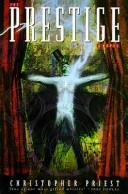 The PrestigeChristopher PriestA meticulously constructed puzzle-box of a novel that traps you in a gaslit spiral of obsession and deceit.