Books › The island at the center of the world

The island at the center of the world
the epic story of Dutch Manhattan and the forgotten colony that shaped America
First published 2004 · 711 pages
A vibrant, time-traveling stroll through the muddy, bustling streets of a forgotten Dutch colony that secretly shaped the American spirit.
What it feels like
Reading this book feels like putting on a pair of historical x-ray glasses and looking at the modern skyline of Manhattan, only to see the muddy, bustling, polyglot streets of New Amsterdam pulsing beneath the asphalt. The narrative unfolds with a steady, engaging rhythm, blending the rigorous detail of archival scholarship with the propulsive energy of a great historical novel. It immerses you in a world of ambitious merchants, stubborn governors, and clashing empires, creating an atmosphere that is both deeply familiar and entirely alien. The prose is vivid and enthusiastic, guiding the reader through a paradigm-shifting journey that replaces the austere Puritans with tolerant, free-trading Dutch pioneers. It is a delight for history enthusiasts who crave a fresh, vibrant origin story for the American melting pot.
- Mood
- immersive
- bustling
- atmospheric
- curious
- Tone
- revelatory
- engaging
- enthusiastic
- accessible
- erudite
- Pace
- steady
- Themes
- hidden histories · cultural foundations · clash of empires · birth of a metropolis · roots of tolerance
- The writing
- Vivid and narrative-driven, seamlessly weaving archival scholarship into a compelling, novelistic story.
- The arc
- Begins with the intrigue of a historical mystery and builds to a satisfying, paradigm-shifting appreciation of America's true origins.
- Who it's for
- Lovers of narrative history who crave fresh perspectives on familiar places and enjoy seeing the past brought vividly to life.
Content notes
- colonial violence
- historical racism
- warfare
About the book
In a landmark work of history, Russell Shorto presents astonishing information on the founding of our nation and reveals in riveting detail the crucial role of the Dutch in making America what it is today.In the late 1960s, an archivist in the New York State Library made an astounding discovery: 12,000 pages of centuries-old correspondence, court cases, legal contracts, and reports from a forgotten society: the Dutch colony centered on Manhattan, which predated the thirteen "original" American colonies. For the past thirty years scholar Charles Gehring has been translating this trove, which was recently declared a national treasure. Now, Russell Shorto has made use of this vital material to construct a sweeping narrative of Manhattan's founding that gives a startling, fresh perspective on how America began. In an account that blends a novelist's grasp of storytelling with cutting-edge scholarship, The Island at the Center of the World strips Manhattan of its asphalt, bringing us back to a wilderness island--a hunting ground for Indians, populated by wolves and bears--that became a prize in the global power struggle between the English and the Dutch. Indeed, Russell Shorto shows that America's founding was not the work of English settlers alone but a result of the clashing of these two seventeenth century powers. In fact, it was Amsterdam--Europe's most liberal city, with an unusual policy of tolerance and a polyglot society dedicated to free trade--that became the model for the city of New Amsterdam on Manhattan. While the Puritans of New England were founding a society based on intolerance, on Manhattan the Dutch created a free-trade, upwardly-mobile melting pot that would help shape not only New York, but America.The story moves from the halls of power in London and The Hague to bloody naval encounters on the high seas. The characters in the saga--the men and women who played a part in Manhattan's founding--range from the philosopher Rene Descartes to James, the Duke of York, to prostitutes and smugglers. At the heart of the story is a bitter power struggle between two men: Peter Stuyvesant, the autocratic director of the Dutch colony, and a forgotten American hero named Adriaen van der Donck, a maverick, liberal-minded lawyer whose brilliant political gamesmanship, commitment to individual freedom, and exuberant love of his new country would have a lasting impact on the history of this nation.
Description from Open Library.
Books like The island at the center of the world
See why they match A voyage long and strangeTony HorwitzA witty, boots-on-the-ground road trip through the forgotten, messy, and often absurd century of American history before the Pilgrims arrived.
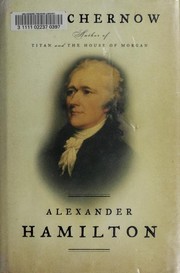 Alexander HamiltonRon ChernowA sweeping, tragic portrait of a restless genius who willed a nation into existence but could not outrun his own fatal flaws.
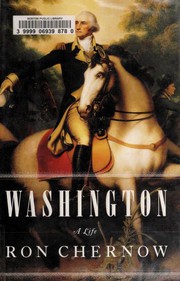 WashingtonRon ChernowA sweeping, deeply humanizing portrait that chips away the marble to reveal the passionate, calculating, and burdened man beneath the myth.
 These TruthsJill LeporeA sweeping, lyrical reckoning with the American experiment that measures the nation's brutal realities against its founding ideals.
 Washington's crossingDavid Hackett FischerAn eye-opening dive into the messy, unvarnished political realities of America's founding that shatters sanitized textbook myths.
 New AmsterdamElizabeth BearA gaslit, world-weary magical procedural where a formidable sorceress and an immortal exile seek justice in a shadowy alternate America.