Books › The journal of best practices

The journal of best practices
224 pages
A hilarious and deeply earnest memoir about a husband's zealous quest to decode his own neurodivergence and save his marriage.
What it feels like
Reading this memoir feels like sitting down with a remarkably honest friend who is eager to share his most embarrassing missteps and hardest-won epiphanies. The narrative moves at a brisk, engaging pace, driven by a tone that is simultaneously hilarious, self-deprecating, and fiercely earnest. The mood is warm and hopeful, balancing the painful realities of marital strain and clinical inflexibility with an endearing zeal for self-improvement. The prose is candid and witty, structured around practical maxims that reveal the profound effort required to bridge the gap between two different minds. It is a perfect read for anyone drawn to stories of neurodivergence, family dynamics, and the messy, comic, and beautiful work of becoming a better partner.
- Mood
- warm
- hopeful
- poignant
- Tone
- humorous
- earnest
- self-deprecating
- endearing
- Pace
- brisk
- Themes
- neurodivergence in marriage · self-actualization · family relationships · the hard work of love
- The writing
- Candid, witty, and highly observant, blending comic self-reflection with practical, aphoristic wisdom.
- The arc
- Moves from painful misunderstanding and frustration to a hard-won, humorous, and deeply earnest commitment to marital growth.
- Who it's for
- Readers looking for a funny, honest, and heartwarming memoir about marriage, neurodivergence, and the lengths we go to for the people we love.
Content notes
- marital strain
- discussions of Asperger's syndrome
About the book
At some point in nearly every marriage, a wife finds herself asking, What the... is wrong with my husband?! In the author's case, this turns out to be an apt question. Five years after he married Kristen, the love of his life, they learn that he has Asperger syndrome. The diagnosis explains his ever-growing list of quirks and compulsions, his lifelong propensity to quack and otherwise melt down in social exchanges, and his clinical-strength inflexibility. But it doesn't make him any easier to live with. Determined to change, he sets out to understand Asperger syndrome and learn to be a better husband, no easy task for a guy whose inability to express himself rivals his two-year-old daughter's, who thinks his responsibility for laundry extends no further than throwing things in (or at) the hamper, and whose autism-spectrum condition makes seeing his wife's point of view a near impossibility. Nevertheless, he devotes himself to improving his marriage with an endearing yet hilarious zeal that involves excessive note-taking, performance reviews, and most of all, this book: a collection of hundreds of maxims and hard-won epiphanies that result from self-reflection both comic and painful. They include "Don't change the radio station when she's singing along," "Apologies do not count when you shout them," and "Be her friend, first and always." Guided by the journal, he transforms himself over the course of two years from the world's most trying husband to the husband who tries the hardest, the husband he'd always meant to be. Filled with humor and surprising wisdom, this book is a candid story of ruthless self-improvement, a unique window into living with an autism-spectrum condition, and proof that a true heart can conquer all.
Description from Open Library.
Books like The journal of best practices
See why they match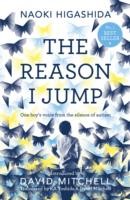 The Reason I Jump One Boys Voice From The Silence Of AutismNaoki HigashidaA gentle, illuminating Q&A that bridges the gap between a nonverbal autistic mind and the neurotypical world.
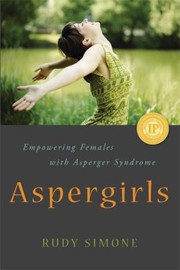 Aspergirls Empowering Females With Asperger SyndromeRudy SimoneAn empathetic and practical guide that peels back the mask of neurodivergence to offer validation and life skills for women and girls.
 Look Me in the EyeJohn Elder RobisonA darkly funny and deeply moving memoir that invites readers into the unique, machine-logic mind of a man navigating a world built for neurotypicals.
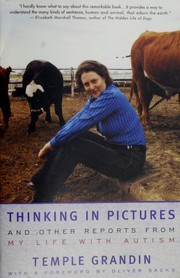 Thinking in PicturesTemple GrandinAn illuminating and deeply personal journey into a mind that processes the world through concrete imagery rather than abstract words.
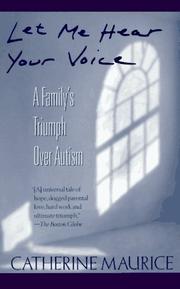 Let me hear your voiceCatherine MauriceA fierce, emotionally grueling, and ultimately triumphant journey through the labyrinth of a life-altering diagnosis.
 The Autistic BrainTemple Grandin and Richard PanekA deeply personal and scientifically grounded tour of neurodiversity that reframes how we understand different kinds of minds.