Books › The Ladies of Grace Adieu and Other Stories

The Ladies of Grace Adieu and Other Stories
300 pages
A wry, enchanting collection where polite Regency society masks the wild, capricious magic of English folklore.
What it feels like
Reading this collection feels like sipping a fine, slightly intoxicating wine in a cozy parlor, only to realize the shadows in the corners are moving. The pace is decidedly leisurely, inviting you to savor the dry, arch wit and the exquisite pastiche of nineteenth-century prose. It is a book of manners colliding with myth, where the polite constraints of Regency society are constantly undermined by the wild, capricious nature of Faerie. The mood is both enchanting and subtly eerie, balancing cozy historical charm with the unsettling danger of ancient magic. It is perfect for readers who delight in scholarly footnotes, quiet feminist subversion, and the thrilling realization that the woods beyond the manor house are deep, dark, and full of secrets.
- Mood
- enchanting
- eerie
- autumnal
- cozy
- Tone
- wry
- arch
- whimsical
- scholarly
- dry
- Pace
- leisurely
- Themes
- hidden power of women · capricious magic · mundane meets mythic · English folklore · societal constraints
- The writing
- An exquisite, dryly witty pastiche of nineteenth-century English literature, complete with scholarly footnotes and archaic charm.
- The arc
- The journey moves from the polite, rigid constraints of historical society into the wild, unpredictable, and often liberating realm of Faerie.
- Who it's for
- Readers who love Austen-esque manners colliding with dark, folkloric magic and appreciate a slow, savoring read.
Content notes
- abduction
- mild peril
About the book
Magic, madam, is like wine and, if you are not used to it, it will make you drunk. Faerie is never as far away as you think. Sometimes you find you have crossed an invisible line and must cope, as best you can, with petulant princesses, vengeful owls, ladies who pass their time embroidering terrible fates or with endless paths in deep, dark woods and houses that never appear the same way twice. The heroines and heroes bedevilled by such problems in these fairy tales include a conceited Regency clergyman, an eighteenth-century Jewish doctor and Mary, Queen of Scots, as well as two characters from Jonathan Strange & Mr Norrell: Strange himself and the Raven King.
Description from Open Library.
Books like The Ladies of Grace Adieu and Other Stories
See why they match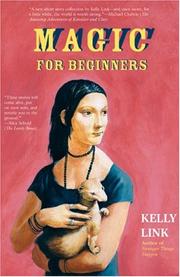 Magic for beginnersKelly LinkA surreal, pop-culture-infused fever dream where the mundane and the magical bleed seamlessly into one another.
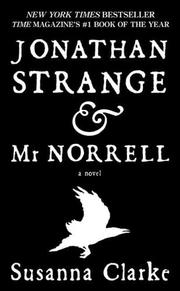 Jonathan Strange and Mr. NorrellSusanna ClarkeA sprawling, footnote-laden descent into a fog-drenched nineteenth-century England where magic is both a dry academic pursuit and a wild, dangerous force.
 Sorcerer to the CrownZen ChoA sparkling, magical comedy of manners that hides a razor-sharp critique of empire beneath its polite drawing-room banter.
 A stranger in OlondriaSofia SamatarA lush, dreamlike love letter to language that haunts the reader long after the final page is turned.
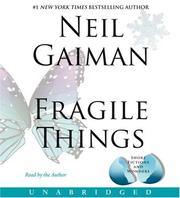 Fragile ThingsNeil GaimanA cabinet of curiosities where every drawer opens into a dark, dreamlike fairy tale.
 Get in TroubleKelly LinkA darkly playful plunge into a world where suburban anxieties and teenage sleepovers collide with ghosts, superheroes, and the uncanny.