Books › The Last Theorem

The Last Theorem
416 pages
A cerebral journey through mathematics and the stars, serving as a grand finale to a legendary era of science fiction.
What it feels like
This cerebral and expansive space opera offers a steady, idea-driven journey that feels like a grand culmination of classic science fiction. The narrative is steeped in an intellectual and visionary tone, inviting readers to immerse themselves in the thrill of mathematical obsession and the mechanics of space travel. The mood is awe-inspiring yet grounded in the rigorous logic of physicists and mathematicians, moving from the focused intensity of solving age-old theorems to the sweeping scale of propulsion systems and cosmic exploration. Written with a focus on grand concepts rather than stylistic flourish, it is a fitting experience for readers who devour traditional, hard science fiction and want to bask in the legacy of the genre's brightest stars.
- Mood
- cerebral
- expansive
- awe-inspiring
- Tone
- reverent
- intellectual
- visionary
- scientific
- Pace
- steady
- Themes
- scientific discovery · mathematical obsession · the legacy of science · cosmic exploration
- The writing
- Classic, idea-driven science fiction prose that prioritizes scientific concepts and grand visions over stylistic flourish.
- The arc
- Moves from the focused intensity of intellectual pursuit to a grand, expansive awe of the cosmos.
- Who it's for
- Readers who love classic, cerebral space opera and the thrill of mathematical and physical problem-solving.
About the book
The final work from the brightest star in science fiction's galaxy. Arthur C Clarke, who predicted the advent of communication satellites and author of 2001: A Space Odyssey completes a lifetime career in science fiction with a masterwork.
Description from Open Library.
Books like The Last Theorem
See why they match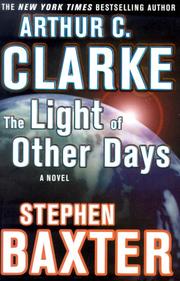 The Light of Other DaysStephen BaxterA mind-bending thought experiment that strips away the illusions of privacy and history, leaving you staring into the vast, humbling abyss of deep time.
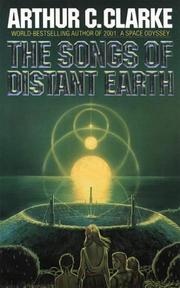 The Songs of Distant EarthArthur Charles ClarkeA quiet, sun-drenched meditation on the vastness of space, the loss of a homeworld, and the bittersweet beauty of fleeting human connection.
 The Hammer of GodArthur C. ClarkeA methodical, awe-inspiring race against cosmic indifference where human ingenuity is the only shield against annihilation.
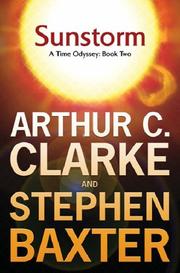 SunstormArthur C. Clarke and Stephen BaxterA tense, cosmic race against time where humanity's survival hinges on unity in the face of an apocalyptic solar threat.
 Rendezvous with RamaArthur Charles ClarkeA methodical, awe-inspiring exploration of a colossal alien artifact that makes humanity feel profoundly small.
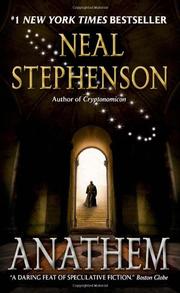 AnathemNeal StephensonA massive, mind-expanding philosophical puzzle box that demands patience before rewarding you with breathtaking cosmic scale.