Books › The Lean Startup
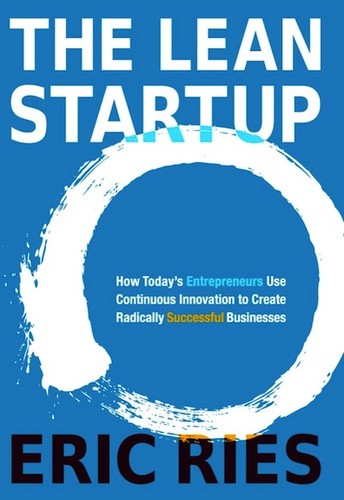
The Lean Startup
336 pages
A pragmatic, energizing blueprint for navigating the chaos of innovation with scientific precision.
What it feels like
Reading this book feels like sitting down with a seasoned mentor who strips away the romanticized myths of entrepreneurship and hands you a practical, rigorous roadmap instead. The prose is clear, anecdotal, and highly structured, moving at a brisk pace that makes you want to immediately pause and start testing your own ideas. It cultivates a mood of focused momentum, transforming the paralyzing dread of potential failure into an exciting, manageable process of scientific discovery. Rather than relying on blind faith, the narrative champions continuous adaptation and customer empathy. It is an incredibly energizing experience for builders, creators, and founders who want to cut through the noise, mitigate their anxiety, and methodically build something the world actually needs.
- Mood
- energizing
- focused
- forward-looking
- Tone
- pragmatic
- encouraging
- analytical
- authoritative
- Pace
- brisk
- Themes
- navigating uncertainty · iterative growth · embracing failure · customer-centricity
- The writing
- Clear, accessible, and heavily anecdotal, designed to translate abstract theories into immediate, actionable frameworks.
- The arc
- Moves from the overwhelming anxiety of unpredictable markets to the empowering clarity of a systematic, testable methodology.
- Who it's for
- Founders, product managers, and corporate innovators seeking a rigorous, no-nonsense approach to building successful ventures.
About the book
"Most startups are built to fail. But those failures, according to entrepreneur Eric Ries, are preventable. Startups don't fail because of bad execution, or missed deadlines, or blown budgets. They fail because they are building something nobody wants. Whether they arise from someone's garage or are created within a mature Fortune 500 organization, new ventures, by definition, are designed to create new products or services under conditions of extreme uncertainly. Their primary mission is to find out what customers ultimately will buy. One of the central premises of The Lean Startup movement is what Ries calls "validated learning" about the customer. It is a way of getting continuous feedback from customers so that the company can shift directions or alter its plans inch by inch, minute by minute. Rather than creating an elaborate business plan and a product-centric approach, Lean Startup prizes testing your vision continuously with your customers and making constant adjustments"--
Description from Open Library.
Books like The Lean Startup
See why they match Lean AnalyticsAlistair CrollA pragmatic, clear-eyed roadmap for turning entrepreneurial ambition into measurable, customer-focused success.
 The Startup WayEric RiesA pragmatic, energizing blueprint for breathing agile, entrepreneurial life into the rigid structures of legacy corporations.
 The $100 startupChris GuillebeauA shot of pure entrepreneurial espresso that makes the leap from daydream to reality feel entirely within reach.
 TractionGabriel WeinbergA pragmatic, no-nonsense playbook that transforms the chaotic anxiety of startup growth into a clear, systematic science.
 ReworkJason Fried and David Heinemeier HanssonA punchy, contrarian manifesto that strips away corporate bloat and gives you permission to build something on your own terms.
 Hacking growthSean EllisA high-octane playbook that transforms the chaotic art of scaling a business into a rigorous, repeatable science.