Books › The leftovers

The leftovers
355 pages
A haunting, quietly devastating portrait of ordinary people trying to buy groceries and fall in love after the world has inexplicably broken.
What it feels like
Reading this book feels like walking through a familiar neighborhood where all the shadows are suddenly pointing in the wrong direction. It is a masterclass in sustained, quiet dread, but it never tips into full-blown apocalyptic chaos; instead, it lingers in the agonizingly mundane aftermath of an inexplicable tragedy. The narrative moves at a steady, deliberate pace, focusing intimately on the psychological toll of ambiguous loss rather than the mechanics of the disaster itself. The prose is clean, wry, and deeply empathetic, capturing the absurdity of trying to maintain suburban normalcy when the universe has proven itself terrifyingly random. It will deeply resonate with readers who appreciate character-driven stories that explore collective trauma, fractured families, and the desperate, deeply human search for meaning in the wake of the unimaginable.
- Mood
- haunting
- somber
- unsettling
- quietly desperate
- Tone
- wry
- melancholic
- empathetic
- understated
- Pace
- steady
- Themes
- collective trauma · ambiguous loss · search for meaning · fractured families · suburban malaise
- The writing
- Clean, observant, and deceptively ordinary, grounding an apocalyptic premise in the recognizable textures of suburban life.
- The arc
- Begins in a state of paralyzed bewilderment and slowly navigates toward a fragile, imperfect acceptance of a permanently altered reality.
- Who it's for
- Readers who love character-driven literary fiction that uses a high-concept, speculative premise to dissect human psychology and grief.
Content notes
- grief and loss
- cult dynamics
- depression
- suicide
- trauma
About the book
What if—whoosh, right now, with no explanation—a number of us simply vanished? Would some of us collapse? Would others of us go on, one foot in front of the other, as we did before the world turned upside down?
That’s what the bewildered citizens of Mapleton, who lost many of their neighbors, friends and lovers in the event known as the Sudden Departure, have to figure out. Because nothing has been the same since it happened—not marriages, not friendships, not even the relationships between parents and children.
Kevin Garvey, Mapleton’s new mayor, wants to speed up the healing process, to bring a sense of renewed hope and purpose to his traumatized community. Kevin’s own family has fallen apart in the wake of the disaster: his wife, Laurie, has left to join the Guilty Remnant, a homegrown cult whose members take a vow of silence; his son, Tom, is gone, too, dropping out of college to follow a sketchy prophet named Holy Wayne. Only Kevin’s teenaged daughter, Jill, remains, and she’s definitely not the sweet “A” student she used to be. Kevin wants to help her, but he’s distracted by his growing relationship with Nora Durst, a woman who lost her entire family on October 14th and is still reeling from the tragedy, even as she struggles to move beyond it and make a new start. [from Amazon]
Description from Open Library.
Books like The leftovers
See why they match Leave the World BehindRumaan AlamA masterclass in creeping dread that strips away the comforts of modern privilege to reveal the terrifying fragility beneath.
 The Age of MiraclesKaren Thompson WalkerA quiet, aching portrait of adolescence unfolding against the backdrop of a slow-motion apocalypse.
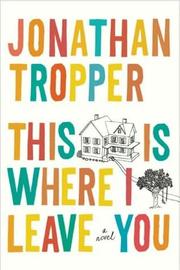 This is where I leave youJonathan TropperA hilariously chaotic and deeply tender portrait of a dysfunctional family forced to sit in the same room with their grief and each other.
 Nine perfect strangersLiane MoriartyA sharp, locked-room satire of wellness culture that slowly boils over into a tense and claustrophobic psychological drama.
 We need to talk about KevinLionel ShriverA masterclass in mounting dread that forces you to sit inside the darkest taboos of motherhood.
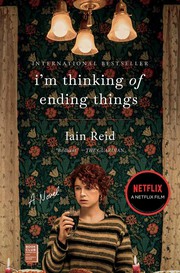 I'm Thinking of Ending ThingsIain ReidA claustrophobic road trip into the darkest, most surreal corners of the human psyche, where every thought feels like a trap.