Books › The letters of Vincent van Gogh

The letters of Vincent van Gogh
528 pages
An achingly intimate window into the brilliant, turbulent mind of an artist desperate to translate the beauty and agony of the world onto canvas.
What it feels like
Reading this collection feels like sitting in a dimly lit room with a brilliant, deeply troubled friend who is pouring their soul out onto the table. The pace is meandering and organic, dictated by the ebb and flow of the author's mental state and creative obsessions. You are immersed in an atmosphere that oscillates between luminous, sun-drenched reverence for nature and the suffocating darkness of profound isolation. The prose is astonishingly vivid, painterly in its descriptions of color and light, yet raw and unpolished in its emotional vulnerability. It is a deeply moving experience that will captivate readers who are drawn to the messy, beautiful intersection of art, madness, and devotion, offering a profound meditation on what it costs to truly see the world.
- Mood
- melancholic
- intimate
- turbulent
- luminous
- Tone
- earnest
- passionate
- vulnerable
- philosophical
- Pace
- meandering
- Themes
- artistic struggle · spiritual yearning · isolation and loneliness · brotherly devotion · the beauty of nature
- The writing
- Lyrical, raw, and deeply descriptive, blending profound philosophical musings with vivid, painterly observations of the physical world.
- The arc
- Moves from hopeful, searching idealism through periods of intense creative fervor, descending into profound psychological anguish while maintaining a desperate grip on beauty.
- Who it's for
- Readers who crave intimate, unfiltered access to the minds of brilliant creators and those who find solace in the intersection of art, suffering, and profound beauty.
Content notes
- mental illness
- depression
- self-harm
- suicidal ideation
- poverty
About the book
Most unusually among major painters, Vincent van Gogh (1853-90) was also an accomplished writer. His letters provide both a unique self-portrait and a vivid picture of the contemporary cultural scene. Van Gogh emerges as a complex but captivating personality, struggling with utter integrity to fulfil his artistic destiny.
This major new edition, which is based on an entirely new translation, reinstating a large number of passages omitted from earlier editions, is expressly designed to reveal his inner journey as much as the outward facts of his life. It includes complete letters wherever possible, linked with brief passages of connecting narrative and showing all the pen-and-ink sketches that originally went with them.
Despite the familiar image of Van Gogh as an antisocial madman who died a martyr to his art, his troubled life was rich in friendships and generous passions. In his letters we discover the humanitarian and religious causes he embraced, his fascination with the French Revolution, his striving for God and for ethical ideals, his desperate courtship of his cousin, Kee Vos, and his largely unsuccessful search for love.
All of this, suggests De Leeuw, demolishes some of the myths surrounding Van Gogh and his career but brings hint before us as a flesh-and-blood human being, an individual of immense pathos and spiritual depth.
Perhaps even more moving, these letters illuminate his constant conflicts as a painter, torn between realism, symbolism and abstraction; between landscape and portraiture; between his desire to depict peasant life and the exciting diversions of the city; between his uncanny versatility as a sketcher and his ideal of the full-scale finished tableau.
Since Van Gogh received little feedback from the public, he wrote at length to friends, fellow artists and his family, above all to his brother Theo, the Parisian art dealer, who was his confidant and mainstay. Along with his intense powers of visual imagination, Vincent brought to the correspondence almost equally impressive verbal skills, a wide range of literary and cultural references and a total integrity of purpose.
Description from Open Library.
Books like The letters of Vincent van Gogh
See why they match Brieven aan zijn broederIrving StoneAn intimate, devastatingly beautiful window into the turbulent mind and radiant soul of a struggling artist.
 Vincent van GoghColta Ives, Sjraar van Heugten and othersA deeply moving, visual and textual immersion into the passionate, turbulent soul of a tortured genius.
 CorrespondencePaul GauguinAn intimate, visually rich immersion into the restless mind and daily struggles of a transgressive artist.
 Lust for LifeIrving StoneA feverish, deeply empathetic plunge into the beautiful and agonizing mind of a tormented genius.
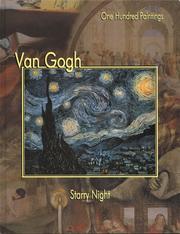 Van GoghVincent Van GoghA meticulous, deeply observant journey into the swirling colors and psychological depths of a legendary painter.
 The Artist's WayJulia CameronA nurturing, structured retreat for the soul that dismantles creative blocks and invites joyful play back into daily life.