Books › The Little House

The Little House
First published 1998 · 53 pages
A gentle, rhythmic meditation on the passage of time and the enduring comfort of a quiet place to belong.
What it feels like
Reading this classic feels like watching a time-lapse film of the changing world, anchored by a steady, beating heart. The experience begins with a deep, pastoral coziness, lulling the reader with rhythmic, repetitive prose that mirrors the turning of the seasons. As the pages turn, the mood shifts from sun-warmed tranquility to a melancholic claustrophobia, capturing the overwhelming sensory overload of relentless progress and urban sprawl. Yet, beneath the soot and shadows, there is a resilient thread of hope. It is a deeply comforting read that delights both young children and nostalgic adults, offering a gentle but profound reflection on endurance, the passage of time, and the universal yearning for a quiet place to call home.
- Mood
- cozy
- melancholic
- pastoral
- hopeful
- Tone
- earnest
- nostalgic
- gentle
- observant
- Pace
- steady
- Themes
- the passage of time · urbanization and change · endurance · the rhythm of nature · finding home
- The writing
- The sentences are rhythmic and soothing, utilizing gentle repetition to mirror the cyclical turning of the seasons.
- The arc
- The journey moves from idyllic contentment through a period of overwhelming, claustrophobic change, before finally exhaling into a joyful, peaceful restoration.
- Who it's for
- Readers who appreciate quiet, beautifully illustrated meditations on nature, history, and the comforting permanence of home.
Content notes
- feelings of neglect
- urbanization anxiety
About the book
A country house is unhappy when the city, with all its buildings and traffic, grows up around her.
With new introduction by author's son, sculptor Aristedes Burton Demetrios.
Caldecott Medal, 1943.
Description from Open Library.
Books like The Little House
See why they match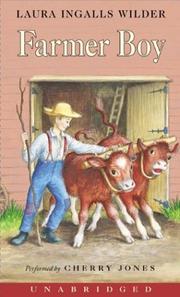 Farmer BoyLaura Ingalls WilderA cozy, sensory-rich immersion into the rhythms of nineteenth-century farm life, where every season brings new chores and mouth-watering meals.
 A very special houseRuth KraussA joyous, rhythmic celebration of a child's inner world where the rules of reality—and adults—simply do not apply.
 Mike Mulligan and His Steam ShovelVirginia Lee BurtonA rhythmic, heartwarming ode to loyalty, hard work, and finding a new purpose in a rapidly changing world.
 Rabbit hillRobert LawsonA sun-dappled, comforting tale of woodland creatures learning to trust their new human neighbors.
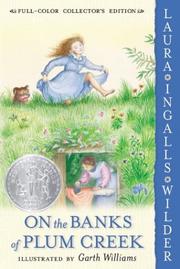 On the Banks of Plum CreekLaura WilderA sensory, earth-bound journey through the wonders and devastating hardships of the untamed prairie, anchored by unbreakable family warmth.
 Summertime in the Big WoodsLaura Ingalls WilderA sun-drenched, gentle immersion into pioneer life that feels like a warm breeze on a quiet afternoon.