Books › The Lost Language of Cranes

The Lost Language of Cranes
First published 1994 · 369 pages
A tender, quietly devastating exploration of the secrets families keep and the painful beauty of living authentically.
What it feels like
Reading this novel feels like watching a delicate glass structure slowly fracture under the weight of unspoken truths. Set against the gritty, shifting landscape of 1980s Manhattan, the narrative unfolds with a steady, introspective grace, pulling you into the quiet desperation of its characters. The prose is elegant and unadorned, offering sharp, empathetic observations about the distances that exist even between those who share a home. It is a deeply melancholic but ultimately cathartic experience, steeped in the tension of parallel lives and the ache of generational divides. Readers who gravitate toward character-driven literary fiction and nuanced explorations of queer identity will find themselves entirely absorbed by this poignant, bittersweet portrait of a family learning to speak a new, honest language.
- Mood
- introspective
- poignant
- quietly tense
- nostalgic
- Tone
- empathetic
- melancholic
- observant
- earnest
- bittersweet
- Pace
- steady
- Themes
- the burden of secrets · parallel awakenings · fragility of family · generational divides · search for authentic connection
- The writing
- Elegant, unadorned, and sharply observant of human behavior and domestic life.
- The arc
- Moves from a state of fragile, unspoken tension through painful revelations to a fractured but honest resolution.
- Who it's for
- Readers who appreciate quiet, character-driven literary fiction exploring complex family dynamics and queer history.
Content notes
- homophobia
- infidelity
- family estrangement
- sexual content
About the book
David Leavitt's extraordinary first novel, now reissued in paperback, is a seminal work about family, sexual identity, home, and loss.
Set in the 1980s against the backdrop of a swiftly gentrifying Manhattan, The Lost Language of Cranes tells the story of twenty-five-year-old Philip, who realizes he must come out to his parents after falling in love for the first time with a man. Philip's parents are facing their own crisis: pressure from developers and the loss of their longtime home. But the real threat to this family is Philip's father's own struggle with his latent homosexuality, realized only in his Sunday afternoon visits to gay porn theaters. Philip's admission to his parents and his father's hidden life provoke changes that forever alter the landscape of their worlds
Description from Open Library.
Books like The Lost Language of Cranes
See why they match The Vast Fields of OrdinaryNick BurdA sun-drenched, bittersweet exploration of the messy, heartbreaking summer between high school and whatever comes next.
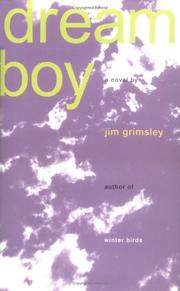 Dream BoyJim GrimsleyA devastating and tender Southern Gothic exploration of first love blooming in the shadow of unspeakable trauma.
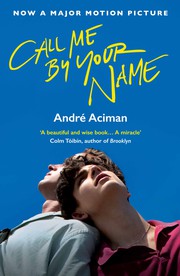 Call Me by Your NameAndré AcimanA sun-drenched, intoxicating plunge into the agonizing beauty of first love and the haunting power of memory.
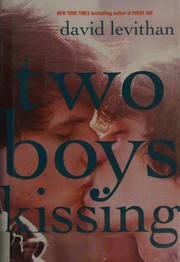 Two Boys KissingDavid LevithanA tender, generation-spanning embrace that connects the ghosts of the past to the defiant joy of the present.
 MitkoGarth GreenwellA hypnotic, exquisitely written descent into the labyrinth of transactional desire and the inescapable ghosts of the past.
 The inexplicable logic of my lifeBenjamin Alire SaenzA tender, tear-soaked exploration of the fierce, unconditional love that binds families together through life's most painful transitions.