Books › The Lost Symbol

The Lost Symbol
829 pages
A breathless, puzzle-fueled sprint through the hidden architecture and esoteric secrets of the American capital.
What it feels like
Reading this book feels like being strapped into a high-speed intellectual roller coaster that careens through the hidden, esoteric underbelly of a familiar city. The atmosphere is thick with conspiracy and shadowy history, demanding you keep up as the narrative sprints from one cryptic puzzle to the next. It is a deeply propulsive experience, driven by breathless chapters that almost always end on a cliffhanger, forcing you to turn just one more page. The prose is purely functional, acting as a rapid-fire delivery system for historical trivia, architectural secrets, and high-stakes peril. It is the perfect escape for readers who crave the thrill of a grand, labyrinthine scavenger hunt where ancient philosophies collide with modern technology, leaving you feeling as though you have just unlocked a massive, centuries-old secret.
- Mood
- tense
- shadowy
- labyrinthine
- esoteric
- Tone
- urgent
- conspiratorial
- didactic
- dramatic
- Pace
- propulsive
- Themes
- hidden histories · science versus mysticism · the burden of secrets · intellectual puzzles
- The writing
- Functional, breathless, and exposition-heavy, prioritizing forward momentum and cliffhangers over literary flourish.
- The arc
- Starts with shocking urgency, builds through relentless intellectual and physical peril, and culminates in a grand, philosophical revelation.
- Who it's for
- Readers who love puzzle-box thrillers, secret societies, and feeling like they are uncovering hidden truths alongside a brilliant protagonist.
Content notes
- graphic violence
- torture
- claustrophobia
- mutilation
About the book
The Lost Symbol is a 2009 novel written by American writer Dan Brown. It is a thriller set in Washington, D.C., after the events of The Da Vinci Code, and relies on Freemasonry for both its recurring theme and its major characters.
Released on September 15, 2009, it is the third Brown novel to involve the character of Harvard University symbologist Robert Langdon, following 2000's Angels & Demons and 2003's The Da Vinci Code.
Description from Open Library.
Books like The Lost Symbol
See why they match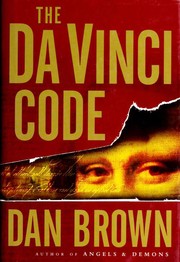 The Da Vinci CodeDan BrownA breathless, globe-trotting scavenger hunt through art history and ancient conspiracies that turns museums and churches into a giant puzzle box.
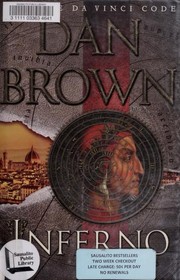 InfernoDan BrownA breathless, globe-trotting scavenger hunt through Renaissance art and apocalyptic science.
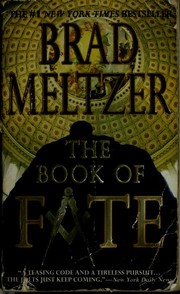 The Book of FateBrad MeltzerA relentless political thriller where historical codes and secret societies collide with modern-day presidential conspiracies.
 The Three Secret Cities (Jack West, Jr. Book 5)Matthew ReillyA high-octane blend of mystery and explosive action that races toward uncovering hidden truths.
 La Orden Del Temple/ the Last TemplarRaymond KhouryA cinematic, globe-trotting race against time where ancient religious secrets collide with modern-day action.
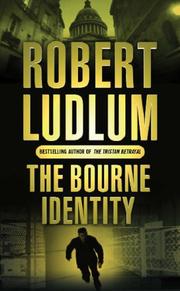 The Bourne IdentityRobert LudlumA relentless, paranoid plunge into the mind of a lethal weapon who doesn't know his own name.