Books › The making of the atomic bomb
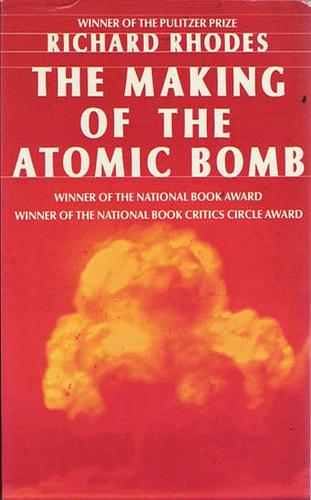
The making of the atomic bomb
First published 1986 · 928 pages
A monumental, dread-laced journey from the pure thrill of theoretical physics to the devastating reality of mass destruction.
What it feels like
Reading this book feels like watching a slow-motion tragedy unfold with the unstoppable momentum of a chain reaction. It begins in the sunlit, collaborative world of early twentieth-century physics, where the prose crackles with the pure intellectual thrill of discovery. But as the narrative shifts from chalkboards to secret laboratories and military briefings, a profound, creeping dread takes over. The writing is masterfully lucid, making complex science accessible while never losing sight of the deeply human, often agonizing moral calculations of the scientists involved. It is a steady, monumental read that demands your full attention, rewarding you with a haunting, definitive masterpiece that lingers long after the final, devastating accounts of the bomb's aftermath.
- Mood
- intellectually thrilling
- dread-soaked
- haunting
- awe-inspiring
- Tone
- authoritative
- meticulous
- somber
- humanistic
- objective
- Pace
- steady
- Themes
- the burden of genius · moral responsibility · the collision of science and politics · existential dread · the double-edged sword of discovery
- The writing
- Masterfully lucid and sweeping, blending complex scientific explanation with gripping narrative history and profound moral weight.
- The arc
- Begins with the exhilarating thrill of scientific discovery and descends into the crushing, horrifying reality of its devastating application.
- Who it's for
- Readers who crave definitive, monumental histories that treat both complex science and human tragedy with uncompromising rigor.
Content notes
- graphic descriptions of radiation sickness
- mass casualties
- war violence
- existential dread
About the book
Here for the first time, in rich, human, political, and scientific detail, is the complete story of how the bomb was developed, from the turn-of-the-century discovery of the vast energy locked inside the atom to the dropping of the first bombs on Japan.
Few great discoveries have evolved so swiftly -- or have been so misunderstood. From the theoretical discussions of nuclear energy to the bright glare of Trinity there was a span of hardly more than twenty-five years. What began as merely an interesting speculative problem in physics grew into the Manhattan Project, and then into the Bomb with frightening rapidity, while scientists known only to their peers -- Szilard, Teller, Oppenheimer, Bohr, Meitner, Fermi, Lawrence, and Von Neumann -- stepped from their ivory towers into the limelight.
Description from Open Library.
Books like The making of the atomic bomb
See why they match American PrometheusKai Bird; Martin J. SherwinA sweeping, tragic portrait of a brilliant mind caught between the thrill of discovery and the crushing weight of its world-altering consequences.
 BombSteve SheinkinA globe-trotting, nail-biting true story of spies, commandos, and scientists racing to unlock a world-ending secret.
 The Girls Of Atomic City The Untold Story Of The Women Who Helped Win World War IiDenise KiernanA fascinating, shadowed glimpse into a bustling secret city where young women unknowingly built the weapon that changed the world.
 The plutonium filesEileen WelsomeA chilling, atmospheric descent into the hidden ethical costs and human sacrifices of the atomic age.
 GeniusJames GleickAn exhilarating journey into the mind of a brilliant, bongo-playing iconoclast who saw the universe differently than anyone else.
 Curve of Binding EnergyJohn McPheeA methodical and deeply chilling exploration of the vulnerabilities hidden within the modern nuclear age.