Books › The Mayor of Casterbridge

The Mayor of Casterbridge
776 pages
A brooding, atmospheric tragedy about a man whose past mistakes relentlessly hunt him down despite his desperate attempts at redemption.
What it feels like
A brooding and deeply psychological Victorian tragedy that immerses the reader in the atmospheric, rural world of Wessex. The narrative unfolds at a steady, deliberate pace, driven not by external villains but by the agonizing, self-destructive flaws of its protagonist. Hardy's prose is rich and fatalistic, painting a melancholic portrait of a man desperately trying to outrun his past. The mood is heavy with impending doom, yet grounded in the earthy realism of nineteenth-century English country life. It is a profoundly empathetic but unforgiving exploration of pride, guilt, and the inescapable consequences of our actions. Readers who love character-driven classics, atmospheric settings, and the slow, inevitable unraveling of a complex, deeply flawed human being will find themselves completely absorbed by this masterful, heartbreaking tale.
- Mood
- brooding
- melancholic
- atmospheric
- oppressive
- Tone
- fatalistic
- somber
- observant
- tragic
- Pace
- steady
- Themes
- inescapability of the past · self-destruction · pride and remorse · fate versus character · illusion of respectability
- The writing
- Richly descriptive, formal, and deeply psychological, with a strong sense of place and rural dialect.
- The arc
- Begins with shocking regret, builds to a precarious height of redemption, and slowly, inevitably crumbles into tragic ruin.
- Who it's for
- Readers who appreciate character-driven Victorian tragedies and atmospheric, slow-burn psychological portraits of flawed individuals.
Content notes
- alcoholism
- spousal abuse
- death
- poverty
About the book
Like many of Hardy’s novels, The Mayor of Casterbridge is set in the fictional county of Wessex in the mid 1800s. It begins with Michael Henchard, a young hay-trusser, drunk on rum, auctioning off his wife and baby daughter at a village fair. The next day, overcome with remorse, Henchard resolves to turn his life around. When we meet Henchard eighteen years later, temperance and hard work have made him wealthy and respectable. However, he cannot escape his past. His secret guilt, his pride, and his impulsive temper all serve to sabotage his good name. The Mayor of Casterbridge was published in 1886, first as a magazine serial and then later that year as a book. It is perhaps most noteworthy for the psychological portrait of Michael Henchard, a tragic character who remains sympathetic while simultaneously being deeply flawed. Typical of other Hardy novels, it also vividly depicts life in the rural countryside at that time.
Description from Open Library.
Books like The Mayor of Casterbridge
See why they match Tess of the d'UrbervillesThomas HardyA lush, devastating portrait of a woman crushed by the relentless machinery of fate and social hypocrisy.
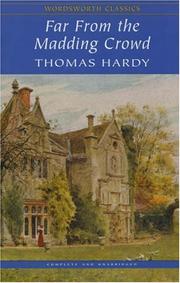 Far from the Madding CrowdThomas HardyA lush, earthy portrait of fierce independence and the turbulent, often destructive forces of romantic entanglement set against the timeless rhythms of rural life.
 Sons and LoversDavid Herbert LawrenceA visceral, psychologically intense exploration of a young man suffocating under the weight of his mother's all-consuming love.
 Lady Audley's secretMary Elizabeth BraddonA deliciously scandalous Victorian thriller where a picture-perfect domestic facade hides a labyrinth of deceit, madness, and murder.
 CranfordDavid AscoliA warm, witty, and gently meandering stroll through the teacups, card games, and quiet dignities of a matriarchal English village.
 ShirleyCharlotte BrontëA sweeping Victorian tapestry that weaves the fires of industrial rebellion with the quiet, burning intensity of female independence and slow-burn romance.