Books › The Message
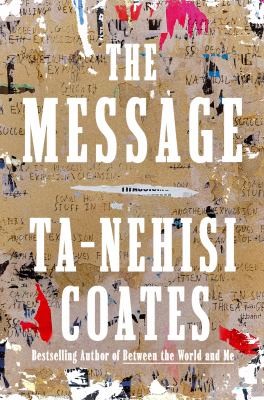
The Message
256 pages
A profound, beautifully written exploration of how the stories we tell shape, distort, and sometimes destroy our shared reality.
What it feels like
Reading this book feels like sitting with a brilliant, deeply troubled friend as they untangle the most complex knots of our modern world. It moves at a steady, deliberate pace, demanding your full attention as it weaves personal travelogue with razor-sharp cultural critique. The mood is sobering and intellectually charged, steeped in a heavy but necessary contemplation of how historical myths are weaponized against the marginalized. The prose is signature Coates: lyrical, fiercely precise, and vibrating with an urgent moral clarity. It is a deeply affecting experience that doesn't offer easy answers, but instead challenges you to look past comforting narratives. This is essential reading for those who want their worldview challenged and expanded by masterful, unflinching essay writing.
- Mood
- contemplative
- sobering
- intellectually charged
- heavy
- Tone
- urgent
- reflective
- incisive
- earnest
- unflinching
- Pace
- steady
- Themes
- the power of narrative · historical mythmaking · systemic oppression · the writer's responsibility · confronting uncomfortable truths
- The writing
- Lyrical, precise, and fiercely intelligent, blending intimate memoir with rigorous cultural critique.
- The arc
- Begins with introspective curiosity and builds to a devastating, urgent clarity about the destructive nature of nationalist myths.
- Who it's for
- Readers who crave intellectually rigorous, beautifully crafted essays that challenge their understanding of history, race, and global politics.
Content notes
- racism
- systemic oppression
- historical trauma
- discussions of war and conflict
About the book
Ta-Nehisi Coates originally set out to write a book about writing, in the tradition of Orwell’s classic “Politics and the English Language,” but found himself grappling with deeper questions about how our stories—our reporting and imaginative narratives and mythmaking—expose and distort our realities.
In the first of the book’s three intertwining essays, Coates, on his first trip to Africa, finds himself in two places at once: in Dakar, a modern city in Senegal, and in a mythic kingdom in his mind. Then he takes readers along with him to Columbia, South Carolina, where he reports on his own book’s banning, but also explores the larger backlash to the nation’s recent reckoning with history and the deeply rooted American mythology so visible in that city—a capital of the Confederacy with statues of segregationists looming over its public squares. Finally, in the book’s longest section, Coates travels to Palestine, where he sees with devastating clarity how easily we are misled by nationalist narratives, and the tragedy that lies in the clash between the stories we tell and the reality of life on the ground.
Written at a dramatic moment in American and global life, this work from one of the country’s most important writers is about the urgent need to untangle ourselves from the destructive myths that shape our world—and our own souls—and embrace the liberating power of even the most difficult truths. Source: penguinrandomhouse.com
Description from Open Library.
Books like The Message
See why they match We Were Eight Years in PowerTa-Nehisi CoatesA fierce, lyrical reckoning with American history that bridges the personal and the political with devastating clarity.
 Between the World and MeTa-Nehisi CoatesA searing, poetic, and deeply intimate exploration of the physical and emotional realities of living in a Black body in America.
 The Fire This TimeJesmyn WardA searing, polyphonic chorus of contemporary voices reckoning with America's racial past, present, and future.
 Stamped from the BeginningIbram X. KendiA monumental, paradigm-shifting journey through the intellectual history of American racism that demands a fundamental rewiring of how you view the present.
 A Little Devil in AmericaHanif AbdurraqibA lyrical, deeply personal exploration of how Black performance shapes the very fabric of American culture.
 The fire next timeJames BaldwinA searing, intimate, and prophetic letter that demands a reckoning with America's racial soul.