Books › The Mountain Is You

The Mountain Is You
272 pages
A compassionate but firm guide to getting out of your own way and turning self-sabotage into self-mastery.
What it feels like
Reading this book feels like sitting down with a deeply empathetic yet uncompromising therapist who refuses to let you play small. The pace is steady and reflective, demanding that you pause frequently to digest its aphoristic, highly quotable insights. It wraps you in a grounding, empowering mood, stripping away the shame of self-sabotage to reveal the protective instincts underneath. The prose is clear and poetic, translating complex psychological concepts into accessible metaphors that resonate on a gut level. It is designed for anyone who feels chronically stuck, offering a journey that begins with the heavy realization of one's own destructive patterns and ends with a profound, liberating sense of agency. It is less about fixing yourself and more about finally understanding yourself.
- Mood
- reflective
- empowering
- calm
- grounding
- Tone
- earnest
- compassionate
- authoritative
- encouraging
- introspective
- Pace
- steady
- Themes
- overcoming self-sabotage · emotional regulation · healing from trauma · radical accountability · personal transformation
- The writing
- Clear, aphoristic, and highly quotable, blending psychological concepts with poetic metaphors.
- The arc
- Moves from the heavy realization of one's own self-destructive patterns toward a liberating sense of agency and inner peace.
- Who it's for
- Readers feeling stuck in their own lives who are ready to do the uncomfortable but necessary internal work to break bad habits.
Content notes
- discussions of trauma
- mental health struggles
About the book
This book is about self sabotage. Why we do it, when we do it, and how to stop doing it-for good. Coexisting but conflicting needs create self-sabotaging behaviors. This is why we resist efforts to change, often until they feel completely futile. But by extracting crucial insight from our most damaging habits, building emotional intelligence by better understanding our brains and bodies, releasing past experiences at a cellular level, and learning to act as our highest potential future selves, we can step out of our own way and into our potential. For centuries, the mountain has been used as a metaphor for the big challenges we face, especially ones that seem impossible to overcome. To scale our mountains, we actually have to do the deep internal work of excavating trauma, building resilience, and adjusting how we show up for the climb. In the end, it is not the mountain we master, but ourselves.
Description from Open Library.
Books like The Mountain Is You
See why they match The human elementBrianna WiestA philosophical and grounding exploration of getting out of your own way and embracing the quiet process of becoming.
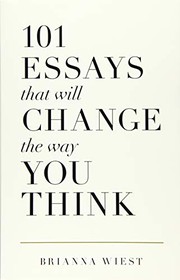 101 Essays That Will Change The Way You ThinkBrianna WiestA grounding, introspective toolkit for untangling your own mind and finding peace in the present.
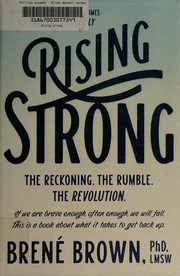 Rising strongBrené BrownA compassionate, research-backed roadmap for turning your greatest failures into your most profound moments of growth.
 Breaking the habit of being yourselfJoe DispenzaAn empowering, instructional deep-dive into rewiring your brain to manifest a completely new reality.
 You Can Heal Your LifeLouise L. HayA warm, spiritual embrace that invites you to rewrite the limiting stories you tell yourself.
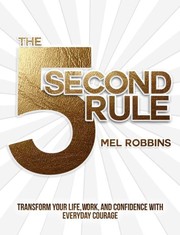 The 5 Second RuleMel RobbinsA high-energy, no-nonsense pep talk designed to short-circuit overthinking and jolt you into immediate action.