Books › The Mystery of the Vanishing Treasure

The Mystery of the Vanishing Treasure
First published 1966 · 160 pages
A nostalgic, puzzle-filled adventure where youthful curiosity meets peculiar local mysteries.
What it feels like
Reading this classic juvenile mystery feels like stepping into a nostalgic, puzzle-filled afternoon where every shadow holds a clue. The narrative moves at a brisk, engaging pace, perfectly tuned to the eager curiosity of young sleuths. It balances the grand intrigue of missing artifacts with the quirky, slightly eerie atmosphere of peculiar neighborhood disturbances, creating a mood that is both adventurous and comfortably cozy. The prose is straightforward and accessible, designed to pull the reader directly into the thrill of the investigation without unnecessary distraction. It is a delightful experience for anyone who loves the earnest teamwork of childhood friendships and the satisfying click of uncovering secrets, offering a charming escape into a world where cleverness always saves the day.
- Mood
- curious
- nostalgic
- cozy
- mildly eerie
- Tone
- inquisitive
- earnest
- adventurous
- playful
- Pace
- brisk
- Themes
- youthful curiosity · puzzle solving · teamwork · uncovering secrets
- The writing
- Accessible and straightforward, focusing on clear action and the steady unraveling of clues to keep young minds engaged.
- The arc
- Moves from the initial spark of curious intrigue through a series of puzzling discoveries to a satisfying, clever resolution.
- Who it's for
- Readers who delight in classic, nostalgic children's mysteries filled with quirky clues and earnest young sleuths.
About the book
Three young detectives become involved in mysteries related to the disappearance of an ancient Japanese jeweled belt from a museum exhibit and the strange antics of a group of gnomes around an elderly woman's house.
Description from Open Library.
Books like The Mystery of the Vanishing Treasure
See why they match The Secret of Terror CastleRobert ArthurA delightfully spooky, puzzle-filled adventure that captures the ultimate childhood fantasy of secret headquarters and outsmarting adults.
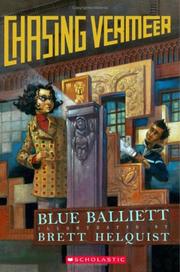 Chasing VermeerBlue BalliettA cozy, brain-teasing puzzle box of a mystery that makes the real world feel full of hidden codes and secret connections.
 The tower treasureFranklin W. DixonA wholesome, sunlit plunge into classic boyhood sleuthing where loyalty and cleverness always save the day.
 The Dinosaur MysteryGertrude Chandler WarnerA wholesome, puzzle-solving adventure where capable siblings team up to untangle secrets among ancient bones.
 The Quest of the Missing MapCarloyn KeeneA classic, puzzle-driven adventure that captures the thrill of piecing together long-lost secrets.
 The Basketball MysteryGertrude Chandler WarnerA wholesome, team-spirited mystery where sibling cooperation meets the energetic backdrop of community basketball.