Books › The Names

The Names
First published 1982 · 429 pages
A sun-drenched, cerebral descent into the eerie intersections of language, corporate power, and ritualistic obsession.
What it feels like
Reading this novel feels like wandering through a sun-baked, ancient landscape while suffering from a mild, persistent fever. It is a deeply cerebral and atmospheric experience, moving at a meandering pace that demands you slow down and savor the architecture of the sentences themselves. The mood is steeped in a quiet, creeping paranoia, blending the glossy detachment of corporate expatriate life with the ancient, dusty dread of ritualistic obsession. The prose is luminous and hypnotic, treating language not just as a tool for communication, but as a physical, almost mystical force. It will delight readers who crave philosophical depth, linguistic precision, and a lingering sense of existential dislocation over a traditional, plot-driven thriller.
- Mood
- paranoiac
- sun-drenched
- eerie
- disorienting
- Tone
- detached
- analytical
- cerebral
- foreboding
- Pace
- meandering
- Themes
- limits of language · cultural alienation · corporate imperialism · search for meaning · expatriate dislocation
- The writing
- Luminous, highly stylized, and obsessively precise, treating words as physical objects with their own inherent power.
- The arc
- The journey shifts from a state of detached, cynical observation to a profound, disorienting confrontation with the primal terror of meaning.
- Who it's for
- Readers who love philosophical fiction, linguistic puzzles, and atmospheric, slow-burn narratives about American alienation abroad.
Content notes
- ritual murder
- cult violence
- existential dread
About the book
Een Amerikaan in Griekenland raakt geïnteresseerd in een geheimzinnige sekte die rituele moorden pleegt.
Description from Open Library.
Books like The Names
See why they match In the Country of Last ThingsPaul AusterA haunting, epistolary descent into a crumbling metropolis where memory and meaning must be scavenged from the ruins.
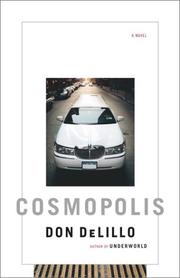 CosmopolisDon DeLilloA surreal, claustrophobic crawl through a hyper-capitalist apocalypse from the backseat of a soundproof stretch limousine.
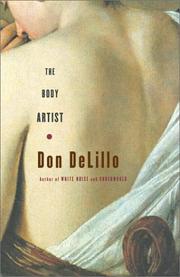 The Body ArtistDon DeLilloA strange, atmospheric meditation on grief and the wilderness of time, set in a lonely coastal house.
 The Secret HistoryDonna TarttAn intoxicating descent into the dark, obsessive underbelly of elite academia, where beauty and terror are inextricably linked.
 The RecognitionsWilliam GaddisA sprawling, encyclopedic descent into a world where everything is a copy and authenticity is a dangerous illusion.
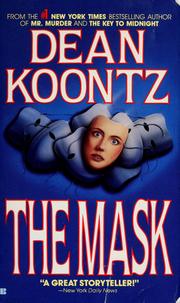 The MaskDean Ray KoontzA chilling exploration of domestic anxiety where the dream of a perfect family morphs into a supernatural nightmare.