Books › The Ocean at the End of the Lane
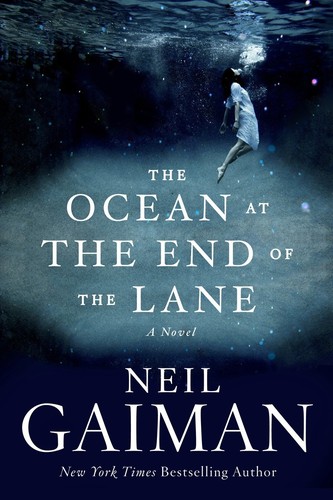
The Ocean at the End of the Lane
336 pages
A dark, delicate fairy tale about the terrifying vastness of childhood and the memories we bury to survive growing up.
What it feels like
Reading this book feels like stepping into a half-remembered dream where the edges of reality blur into something ancient and untamed. The narrative unfolds at a steady, hypnotic pace, wrapping you in a mood that is simultaneously wondrous and deeply unsettling. It captures the profound vulnerability of being a child in a world controlled by incomprehensible adults, blending cozy, sun-warmed moments in a farmhouse kitchen with sequences of visceral, creeping dread. The prose is lyrical and deceptively simple, carrying the mythic weight of a dark fairy tale while remaining intimately grounded in sensory memory. It is a perfect match for anyone who loves bittersweet, atmospheric stories that explore the sacrifices we forget and the magic that lingers just out of sight.
- Mood
- dreamlike
- eerie
- shadowy
- wondrous
- dread-tinged
- Tone
- nostalgic
- melancholic
- earnest
- mythic
- wistful
- Pace
- steady
- Themes
- the vulnerability of childhood · the unreliability of memory · loss of innocence · hidden magic in the mundane · the weight of adulthood
- The writing
- Lyrical, deceptively simple, and deeply evocative, weaving fairy-tale cadences with sharp, sensory details.
- The arc
- Begins in quiet, nostalgic reflection before plunging into childhood terror, ultimately surfacing into a bittersweet, lingering acceptance of forgotten sacrifices.
- Who it's for
- Readers who crave dark, modern fairy tales that explore the terrifying, magical landscape of childhood memory.
Content notes
- child abuse
- suicide
- drowning
- body horror elements
- grief
About the book
A middle-aged man returns to his childhood home to attend a funeral. Although the house he lived in is long gone, he is drawn to the farm at the end of the road, where, when he was seven, he encountered a most remarkable girl, Lettie Hempstock, and her mother and grandmother. He hasn't thought of Lettie in decades, and yet as he sits by the pond (a pond that she'd claimed was an ocean) behind the ramshackle old farmhouse, the unremembered past comes flooding back. And it is a past too strange, too frightening, too dangerous to have happened to anyone, let alone a small boy.
Forty years earlier, a man committed suicide in a stolen car at this farm at the end of the road. Like a fuse on a firework, his death lit a touchpaper and resonated in unimaginable ways. The darkness was unleashed, something scary and thoroughly incomprehensible to a little boy. And Lettie—magical, comforting, wise beyond her years—promised to protect him, no matter what.
A groundbreaking work from a master, The Ocean at the End of the Lane is told with a rare understanding of all that makes us human, and shows the power of stories to reveal and shelter us from the darkness inside and out. It is a stirring, terrifying, and elegiac fable as delicate as a butterfly's wing and as menacing as a knife in the dark.
Description from Open Library.
Books like The Ocean at the End of the Lane
See why they match CoralineNeil GaimanA dark, modern fairy tale that wraps you in a creeping, button-eyed dread before handing you the courage to face the dark.
 NeverwhereNeil GaimanA darkly whimsical plunge into a grimy, magical metropolis hidden just beneath the cracks of the ordinary world.
 Tuck EverlastingNatalie BabbittA sun-dappled, philosophical fable that asks what it truly means to live by exploring the heavy weight of never dying.
 The Girl with All the GiftsMike CareyA heart-wrenching, blood-soaked road trip through the apocalypse, anchored by the most endearing monster you'll ever meet.
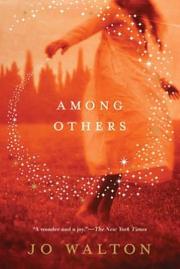 Among OthersJo WaltonA quiet, fiercely intelligent love letter to the science fiction and fantasy books that save us when the real world becomes unbearable.
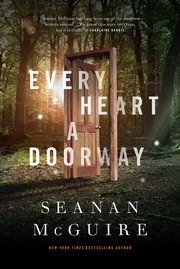 Every Heart a DoorwaySeanan McGuireA dark, wistful love letter to the children who fell through the cracks of reality and the worlds that ruined them for the ordinary.