Books › The Opposite of Loneliness
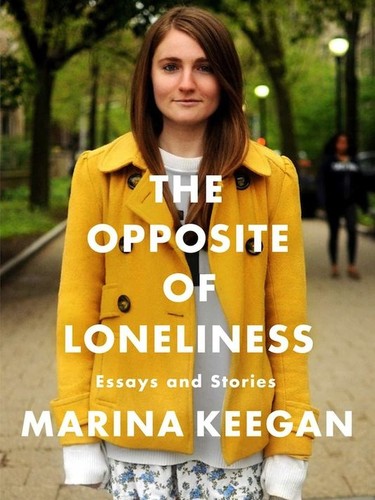
The Opposite of Loneliness
256 pages
A poignant, fiercely hopeful time capsule of early adulthood that captures the terrifying thrill of standing on the edge of the rest of your life.
What it feels like
Reading this collection feels like sitting on a dorm room floor at 2 a.m., talking about the future with the smartest, most empathetic person you know. The essays and stories move at a steady, conversational pace, wrapping the reader in an atmosphere that is simultaneously vibrant with youthful ambition and shadowed by a bittersweet nostalgia. The prose is remarkably unpretentious yet piercingly observant, capturing the specific, universal anxieties of coming of age—the fear of settling, the desperation to make an impact, and the profound desire to hold onto the people we love. It is a deeply intimate experience that will resonate fiercely with anyone navigating the messy transition into adulthood, leaving behind a lingering, hopeful ache.
- Mood
- bittersweet
- intimate
- nostalgic
- vibrant
- Tone
- earnest
- observant
- hopeful
- vulnerable
- wry
- Pace
- steady
- Themes
- coming of age · post-grad anxiety · the search for purpose · fragility of life · desire for connection
- The writing
- Clear, unpretentious, and deeply empathetic, the writing flows with the natural, urgent cadence of a late-night conversation with a brilliant friend.
- The arc
- The reader is immersed in the bright, anxious possibility of youth, ultimately left with a profound, bittersweet appreciation for the fleeting nature of time.
- Who it's for
- Twenty-somethings standing on the precipice of adulthood, and anyone who aches for the terrifying, beautiful uncertainty of their college years.
Content notes
- death of the author
- grief
- fatal car accident (contextual)
About the book
An affecting and hope-filled posthumous collection of essays and stories from the talented young Yale graduate whose title essay captured the world’s attention in 2012 and turned her into an icon for her generation.
Marina Keegan’s star was on the rise when she graduated magna cum laude from Yale in May 2012. She had a play that was to be produced at the New York International Fringe Festival and a job waiting for her at the New Yorker. Tragically, five days after graduation, Marina died in a car crash.
As her family, friends, and classmates, deep in grief, joined to create a memorial service for Marina, her unforgettable last essay for the Yale Daily News, “The Opposite of Loneliness,” went viral, receiving more than 1.4 million hits. She had struck a chord.
Even though she was just twenty-two when she died, Marina left behind a rich, expansive trove of prose that, like her title essay, captures the hope, uncertainty, and possibility of her generation. The Opposite of Loneliness is an assemblage of Marina’s essays and stories that, like The Last Lecture, articulates the universal struggle that all of us face as we figure out what we aspire to be and how we can harness our talents to make an impact on the world.
Description from Open Library.
Books like The Opposite of Loneliness
See why they match The Empathy Exams EssaysLeslie JamisonA rigorous, deeply felt exploration of how we witness and absorb the pain of others.
 We are okayNina LaCourA hushed, wintry meditation on the profound loneliness of grief and the quiet courage it takes to let someone back in.
 The art of memoirMary KarrAn illuminating and cathartic exploration of how we shape our memories and how our memories shape us.
 No One Belongs Here More Than YouMiranda JulyA tender, delightfully weird exploration of lonely people fumbling toward connection in the most unexpected ways.
 UpstreamMary OliverA quiet, luminous invitation to step into the woods, slow down, and pay fierce attention to the beauty of the world.
 These Precious DaysAnn PatchettA warm and intimate meditation on the unexpected bonds that shape our lives and the fleeting beauty of our days.