Books › The Pale Horse

The Pale Horse
400 pages
A classic village mystery laced with the unsettling chill of black magic and creeping paranoia.
What it feels like
Reading this mystery feels like stepping into a quintessential English village where the shadows are just a little too long and the locals a little too knowing. The narrative moves at a steady, methodical clip, drawing you into a web of seemingly disconnected deaths and whispered rumors of witchcraft. It masterfully balances the cozy familiarity of a traditional whodunit with a genuinely eerie, paranoid atmosphere that makes you question whether the threat is supernatural or chillingly human. The prose is crisp and observant, anchoring the creeping dread in polite conversations and cups of tea. It is a perfect read for those who love the intellectual puzzle of a golden-age crime novel but want to be genuinely unsettled along the way.
- Mood
- eerie
- paranoid
- shadowy
- atmospheric
- Tone
- inquisitive
- unsettling
- wry
- suspenseful
- Pace
- steady
- Themes
- the illusion of the supernatural · the banality of evil · the power of suggestion · hidden connections
- The writing
- Crisp, methodical, and deceptively simple, allowing sinister undertones to bleed through the polite English dialogue.
- The arc
- Begins with a creeping sense of inexplicable dread and builds to a satisfyingly rational, if chilling, resolution.
- Who it's for
- Readers who love classic golden-age mysteries but crave a touch of folk horror and occult paranoia.
Content notes
- murder
- occult themes
- poisoning
About the book
To understand the strange events at The Pale Horse inn, Mark Easterbrook knew he had to begin at the beginning. But where exactly was the beginning? Was it the savage blow to the back of Father Gorman's head? Or the priest's visit, just minutes before, to a woman on her death bed? Or was there a deeper significance to the violent squabble which Mark Easterbrook had himself witnessed earlier?The novel is the only one to feature Ariadne Oliver where she solves a crime in the absence of Hercule Poirot. It was published in 1961 by William Collins Sons & Co. in London, and in 1962 by Dodd, Mead & Co. in New York. It was adapted by Anglia TV in the UK in 1996. The title of this book comes from the Revelation of St John the Divine, chapter 6, verse 8. "And I looked, and behold a pale horse: and his name that sat on him was Death, and Hell followed with him..." This is another novel where Christie is able to indulge her interest in the supernatural.
Description from Open Library.
Books like The Pale Horse
See why they match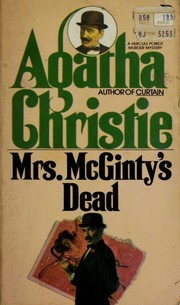 Mrs. McGinty's DeadAgatha ChristieA quintessential village puzzle where cozy gossip masks cold-blooded secrets, guided by a brilliantly weary detective.
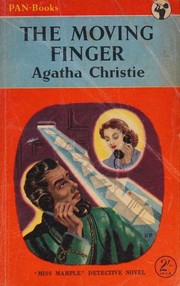 The Moving FingerAgatha ChristieA delightfully wry exploration of the malice lurking beneath the teacups and rosebushes of a quiet English village.
 Partners in CrimeAngus WilsonA delightfully meta romp through classic mystery tropes, fueled by the sparkling banter of a husband-and-wife sleuthing duo.
 Double Sin and Other StoriesAgatha Christie; Hugh Fraser; Joan Hickson; JamesA collection of ingenious, terror-shadowed puzzles that invite readers to match wits with master sleuths.
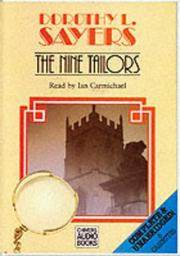 The Nine TailorsDorothy Leigh SayersA deeply atmospheric puzzle steeped in the haunting lore of church bells and the damp, isolating chill of the English Fens.
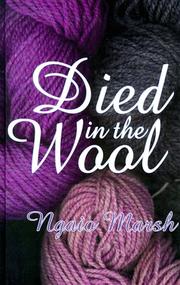 Died in the WoolNgaio MarshA classic British police procedural that wraps a bizarre, slightly macabre murder in the comforting rhythms of a traditional investigation.