Books › The Parson's Pleasure

The Parson's Pleasure
220 pages
A quiet, yearning Regency romance where intellectual connection clashes with the rigid class expectations of an English country estate.
What it feels like
Stepping into this traditional Regency romance feels like retreating to a quiet English country estate, where the greatest turbulence happens beneath a veneer of polite manners. The narrative unfolds at a steady, deliberate pace, perfectly mirroring the slow realization of an unexpected and inconvenient love. It is a story steeped in yearning and the frustrating realities of nineteenth-century class constraints, where intellectual compatibility is pitted against societal duty. The prose is refined and earnest, capturing the agonizing tension of watching a beloved pushed toward another while fending off an odious, socially acceptable match. Readers who delight in classic, character-driven historical romances will find themselves swept up in this wistful tale of a woman forced to choose between her comfortable, expected life and a deeply stimulating connection.
- Mood
- pastoral
- yearning
- socially constrained
- quietly romantic
- Tone
- earnest
- romantic
- traditional
- wistful
- Pace
- steady
- Themes
- intellectual connection · class constraints · duty versus desire · unexpected love
- The writing
- Traditional and refined, capturing the polite manners and hidden emotional turbulence of 19th-century English society.
- The arc
- Moves from quiet, intellectual contentment to the agonizing yearning of an impossible love, culminating in a struggle against societal expectations.
- Who it's for
- Readers who love classic Regency romances where intellectual banter and strict social hierarchies create delicious, slow-burn tension.
Content notes
- classism
- societal pressure
About the book
Claire had no interest in the young men of her set. After a disappointing London season, Claire Oliver returned to her family's country estate, content with her intellectual pursuits and her loving parents. — Until she met the new parish rector. Mr. Bennett was a handsome man of sterling qualities, and she found his company stimulating--not only intellectually, but in ways she had never before experienced. Gone was her contentment. For suddenly the prospect of life without Mr. Bennett was unendurable to her, yet marriage to a penniless parson was unthinkable. As the weeks went by, her unhappiness grew, especially as she watched Lydia, her "poor relation," being pushed in Mr. Bennett's direction, and the odious Lord Babcock, son of a local earl, being pushed in her own.
Description from Open Library.
Books like The Parson's Pleasure
See why they match A Country AffairPatricia WynnA charming Regency romance where a nobleman's quest for retribution melts into a tender, secret-laden courtship among the cherry trees.
 An Inconvenient WifePatricia OliverA classic, witty Regency romp where a scandalous wager blossoms into a surprisingly tender marriage of convenience.
 The lady's proposalPatricia WaddellA tender, slow-burn marriage of convenience where nighttime passion slowly melts daytime pride.
 Scandalous SecretsPatricia OliverA comforting, slow-burn Regency romance where a ruined heroine and a stern father find unexpected healing in each other's company.
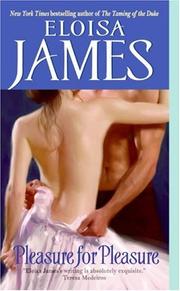 Pleasure for PleasureEloisa JamesA sparkling, banter-filled romp about discarding corsets, defying expectations, and finding a love that celebrates you exactly as you are.
 Passions of a Wicked EarlLorraine HeathA swoony, high-stakes Regency romance where an estranged wife risks everything to seduce her notorious husband and reclaim her marriage.