Books › The pearl that broke its shell

The pearl that broke its shell
464 pages
A poignant exploration of sisterhood and survival, where a temporary shift in identity offers a fragile window of freedom.
What it feels like
This steady, deeply empathetic novel immerses the reader in a tense but resilient atmosphere where survival requires profound transformation. The narrative feels both oppressive and quietly hopeful, exploring the heavy constraints of gender roles and the desperate measures a family will take to navigate them. The prose is grounded and observant, capturing the stark realities of a difficult home life shadowed by addiction, while illuminating the fierce bonds of sisterhood. As the emotional arc shifts from suffocating restriction to a precarious, temporary freedom through impersonation, the reader is invited to reflect on the fragile nature of identity and autonomy. It is a compelling read for those who gravitate toward poignant, character-driven stories about women navigating rigid social conditions with quiet defiance.
- Mood
- oppressive
- resilient
- tense
- constrained
- Tone
- earnest
- empathetic
- serious
- poignant
- Pace
- steady
- Themes
- gender roles and survival · sisterhood under pressure · the weight of tradition · childhood interrupted · family dysfunction
- The writing
- Grounded and observant, focusing on the stark realities of daily survival and the quiet internal shifts of its characters.
- The arc
- Moves from the suffocating constraints of a difficult home life into a precarious, temporary freedom that challenges the boundaries of identity.
- Who it's for
- Readers who appreciate deeply empathetic family dramas centered on women's resilience and the complex social dynamics of gender and tradition.
Content notes
- drug addiction
- sexism and misogyny
- child neglect
About the book
In Kabul, 2007, with a drug-addicted father and no brothers, Rahima and her sisters can only sporadically attend school and rarely leave the house. Their only hope lies in the ancient custom of bacha posh, which allows young Rahima to dress and be treated as a boy until she is of marriageable age.
Description from Open Library.
Books like The pearl that broke its shell
See why they match The underground girls of KabulJenny NordbergAn intimate, eye-opening journey into a hidden world where gender is a fluid survival tactic rather than a fixed identity.
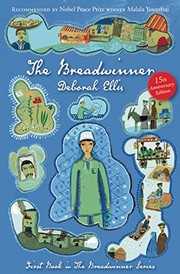 The BreadwinnerDeborah EllisA stark, deeply empathetic portrait of a young girl's quiet rebellion and fierce determination to keep her family alive in an unforgiving world.
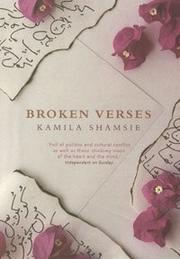 Broken VersesKamila ShamsieA sharp, suspenseful exploration of a daughter's search for her missing mother, blending political intrigue with intimate family grief.
 And the Mountains EchoedKhaled HosseiniA sweeping, deeply empathetic tapestry of family bonds, tracing how a single heartbreaking choice echoes across generations and continents.
 A Thousand Splendid SunsKhaled HosseiniA sweeping, emotionally devastating epic about the unbreakable bonds forged between women in the darkest of times.
 Parvana's Journey (The Breadwinner #2)Deborah EllisA harrowing yet deeply hopeful trek through a war-torn landscape, where children forge a family out of sheer necessity and love.