Books › The Phantom Tollbooth
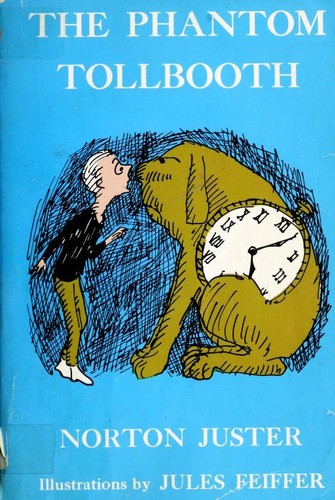
The Phantom Tollbooth
First published 1961 · 304 pages
A wildly inventive romp through the literalized quirks of language and logic that cures the doldrums of everyday life.
What it feels like
Reading this book feels like stepping into a linguistic funhouse where every idiom is literal and every abstract concept takes on a delightfully absurd physical form. It moves at a brisk, bouncing pace, pulling you through a surreal landscape of numbers, letters, and sounds with a wry, knowing wink. The prose is a masterclass in wordplay, packed so densely with puns and clever paradoxes that it demands to be read with a grin. Beneath the zany, lighthearted surface lies a warm, earnest celebration of curiosity and the sheer joy of learning. It is a perfect cure for the doldrums, delighting anyone who appreciates the magic hidden inside the English language and the endless possibilities of an active imagination.
- Mood
- zany
- surreal
- lighthearted
- curious
- Tone
- playful
- wry
- whimsical
- clever
- satirical
- Pace
- brisk
- Themes
- the joy of learning · overcoming apathy · the magic of language · curiosity and perspective · logic and absurdity
- The writing
- Bursting with relentless puns, literalized idioms, and witty, rhythmic wordplay that delights in the quirks of the English language.
- The arc
- Moves from a heavy, gray sense of profound boredom to a vibrant, wide-eyed appreciation for the wonders of the everyday world.
- Who it's for
- Readers of all ages who love linguistic gymnastics, clever logic puzzles, and whimsical, mind-bending nonsense.
About the book
The Phantom Tollbooth is a children's fantasy adventure novel written by Norton Juster with illustrations by Jules Feiffer. It was published in 1961 by Random House (USA). It tells the story of a bored young boy named Milo who unexpectedly receives a magic tollbooth one afternoon and, having nothing better to do, drives through it in his toy car, transporting him to the Kingdom of Wisdom, once prosperous but now troubled. There, he acquires two faithful companions, a dog named Tock and the Humbug, and goes on a quest to restore to the kingdom its exiled princesses—named Rhyme and Reason—from the Castle in the Air. In the process, he learns valuable lessons, finding a love of learning. The text is full of puns and wordplay, such as when Milo unintentionally jumps to Conclusions, an island in Wisdom, thus exploring the literal meanings of idioms.
Description from Open Library.
Books like The Phantom Tollbooth
See why they match The Magician's ElephantKate DiCamilloA quiet, wintry fable about the impossible becoming possible through the sheer, stubborn force of hope.
 The Castle in the Attic ~ A fantastic, magical adventure waits for William inside . .Elizabeth WinthropA classic, enchanting adventure where ordinary playtime transforms into a magical, time-bending quest of courage.
 The Dangerous AlphabetNeil GaimanA delightfully sinister twist on a childhood staple that invites readers into a shadowy, subterranean world of monsters and mischief.
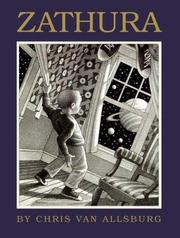 ZathuraChris Van AllsburgA surreal, high-stakes plunge into the cosmos where survival depends entirely on making peace with your annoying sibling.
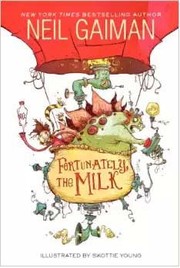 Fortunately, the MilkNeil GaimanA wildly escalating, deadpan tall tale that spins the most mundane of morning errands into an absurd, time-hopping romp.
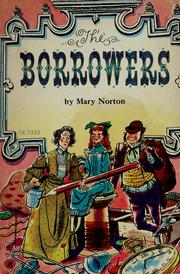 The BorrowersMary NortonA cozy yet precarious glimpse into a miniature world hidden just beneath the floorboards of everyday life.