Books › The philosophy of rhetoric
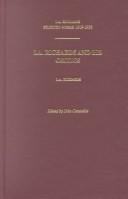
The philosophy of rhetoric
144 pages
A thoughtful, academic exploration of language and meaning born from formal humanities lectures.
What it feels like
Rooted in a series of formal humanities lectures, this text offers a deeply intellectual and structured reading experience. The pace is steady and deliberate, inviting readers to sit quietly with complex philosophical inquiries into the nature of language and communication. Stripped of narrative urgency, the atmosphere is distinctly academic and contemplative, echoing the quiet halls of a university lecture. The prose retains the analytical rigor of its mid-century Oxford University Press origins, demanding careful attention and rewarding it with theoretical depth. It is a book designed for the serious student of rhetoric and philosophy, offering a methodical journey through the mechanics of meaning that will delight readers who crave scholarly exploration over fast-paced entertainment.
- Mood
- academic
- thoughtful
- quiet
- intellectual
- Tone
- scholarly
- analytical
- serious
- contemplative
- Pace
- steady
- Themes
- the nature of language · philosophical inquiry · mechanics of communication · rhetorical theory
- The writing
- Structured, analytical, and academic, reflecting its origins as a formal humanities lecture series.
- The arc
- A steady intellectual progression from foundational questions of language to a deeper theoretical understanding of communication.
- Who it's for
- Students of philosophy and language who appreciate deep, theoretical explorations of how we communicate.
About the book
"Mary Flexner lectures on the humanities III."
First published as an OUP paperback, 1965.
Gift to Victoria University Library (cop. 2). Danesi, Marcel. 2007/09/06.
Description from Open Library.
Books like The philosophy of rhetoric
See why they match Speech actsJohn R. SearleA rigorous, cerebral exploration of how language functions not just to describe the world, but to act upon it.
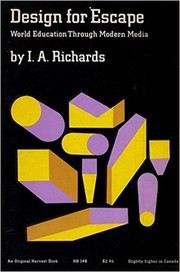 Design for escapeI. A. RichardsA mid-century intellectual's earnest blueprint for saving the world through language and media.
 Philosophies of loveDavid L. NortonA contemplative, academic exploration of love through the lens of philosophical essays and lectures.
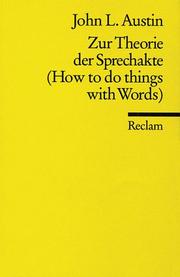 How to do things with wordsJ. L. AustinA witty, methodical dismantling of the idea that words merely describe the world, revealing how they actively construct it.
 Logic and contemporary rhetoricHoward KahaneA pragmatic, clarifying toolkit for cutting through the noise of modern media and political spin.
 Language and silenceGeorge SteinerA profound, elegiac meditation on whether art and language can survive the ultimate horrors of human history.