Books › The Pilgrim's Progress

The Pilgrim's Progress
First published 1774 · 940 pages
A foundational, dreamlike allegory that maps the perilous geography of the human soul on its quest for salvation.
What it feels like
Reading this foundational allegory feels like stepping into a vivid, moralistic dreamscape where abstract spiritual struggles take on terrifying physical weight. The narrative moves at a steady, deliberate pace, guiding you through a perilous geography of swamps, castles, and fairs that represent the pitfalls of the human soul. The prose is plainspoken yet deeply rhythmic, echoing the cadence of the King James Bible, which lends an earnest, timeless gravity to the journey. It is a deeply atmospheric experience, shifting from dread-soaked valleys of despair to sunlit, triumphant peaks of spiritual clarity. This book will resonate with readers who appreciate classic Christian literature, historical allegories, and stories that map the arduous but rewarding path of faith and perseverance.
- Mood
- reverent
- perilous
- dreamlike
- somber
- Tone
- earnest
- didactic
- allegorical
- urgent
- Pace
- steady
- Themes
- spiritual perseverance · the burden of sin · overcoming temptation · the journey of the soul
- The writing
- The prose is plainspoken, archaic, and deeply rhythmic, heavily influenced by the cadence of the King James Bible.
- The arc
- The journey moves from crushing spiritual anxiety and despair through perilous trials to ultimate, triumphant salvation.
- Who it's for
- Readers who appreciate foundational Christian literature, historical allegories, and earnest explorations of faith and morality.
Content notes
- religious anxiety
- allegorical violence
- depictions of hell and damnation
- despair
About the book
Bunyan's allegory uses the everyday world of common experience as a metaphor for the spiritual journey of the soul toward God. The hero, Christian, encounters many obstacles in his quest: the Valley of the Shadow of Death, Vanity Fair, Doubting Castle, the Wicket Gate, as well as those who tempt him from his path (e.g., Talkative, Mr. Worldly Wiseman, the Giant Despair). But in the end he reaches Beulah Land, where he awaits the crossing of the river of death and his entry into the heavenly city. "Pilgrim's Progress" was enormously influential not only as a best-selling inspirational tract in the late 17th century, but as an ancestor of the 18th-century English novel, and many of its themes and ideas have entered permanently into Western culture.
Description from Open Library.
Books like The Pilgrim's Progress
See why they match The holy warJohn BunyanA grand, allegorical siege of the human soul, where cosmic forces clash over the citadel of the heart.
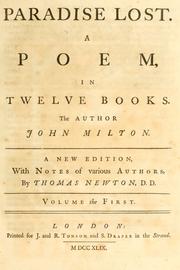 Paradise LostMilton, John ; Hughes, Merritt EditorA cosmic, thunderous descent into rebellion and the tragic, beautiful fragility of human innocence.
 Grace abounding to the chief of sinnersJohn BunyanA raw, agonizingly honest descent into spiritual despair that ultimately breaks through into the blinding light of divine forgiveness.
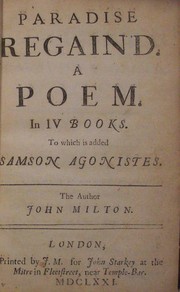 Paradise RegainedJohn MiltonA masterful, poetic exploration of temptation and humanity that demands total commitment from both mind and heart.
 Faerie queeneEdmund SpenserA sprawling, dreamlike tapestry of knights, monsters, and moral trials woven in hypnotic, archaic verse.
 Surprised by JoyC. S. LewisA brilliant, reluctant mind traces the breadcrumbs of an elusive, lifelong longing until it leads him to surrender.