Books › The Power of Now

The Power of Now
A Guide to Spiritual Enlightenment
382 pages
A gentle but radical invitation to step out of the relentless noise of your own mind and into the quiet clarity of the present moment.
What it feels like
Reading this book feels like taking a deep, cleansing breath after years of holding it in. It is a steady, contemplative journey that asks you to slow down and examine the relentless chatter of your own mind. The prose is gentle yet authoritative, often structured as a dialogue that anticipates your skepticism and gently dismantles it. There is no rush here; the text is designed to be absorbed in small, quiet doses, allowing its profound simplicity to settle into your bones. It creates an atmosphere of expansive stillness, offering a refuge from anxiety and regret. This is a transformative read for anyone exhausted by their own overthinking, offering a practical, grounding pathway back to the only moment that actually exists.
- Mood
- tranquil
- expansive
- contemplative
- grounded
- Tone
- earnest
- calming
- authoritative
- gentle
- philosophical
- Pace
- steady
- Themes
- mindfulness · ego detachment · spiritual awakening · inner peace · overcoming mental suffering
- The writing
- Clear, conversational, and intentionally repetitive, utilizing a Q&A format to distill complex spiritual concepts into accessible truths.
- The arc
- Moves from a state of mental anxiety and ego-driven suffering toward profound stillness and liberating self-awareness.
- Who it's for
- Seekers feeling overwhelmed by anxiety, overthinking, or the relentless pace of modern life who are looking for a practical path to inner peace.
Content notes
- depression
- suicidal ideation
About the book
Eckhart Tolle has emerged as one of today's most inspiring teachers. In The Power of Now, already a worldwide bestseller, the author describes his transition from despair to self-realization soon after his 29th birthday. Tolle took another ten years to understand this transformation, during which time he evolved a philosophy that has parallels in Buddhism, relaxation techniques, and meditation theory but is also eminently practical. In The Power of Now he shows readers how to recognize themselves as the creators of their own pain, and how to have a pain-free existence by living fully in the present. Accessing the deepest self, the true self, can be learned, he says, by freeing ourselves from the conflicting, unreasonable demands of the mind and living "present, fully, and intensely, in the Now."
Description from Open Library.
Books like The Power of Now
See why they match A New EarthEckhart TolleA gentle, paradigm-shifting guide that invites you to step out of your own way and find quiet liberation in the present moment.
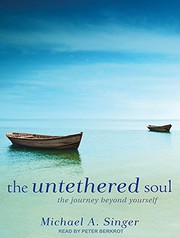 The untethered soulMichael A. SingerA gentle, conversational guide to stepping back from the relentless chatter of your own mind and finding quiet spaciousness within.
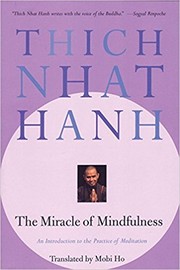 The Miracle of MindfulnessThich Nhat HanhA gentle invitation to slow down and find the sacred in the simplest acts of daily life.
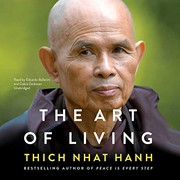 The art of livingThich Nhat HanhA clarifying, peaceful meditation on finding profound joy and interconnectedness in the present moment.
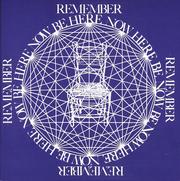 Be Here NowRam Dass.An earnest, introspective journey through the stages of mystical awakening and karmic discovery.
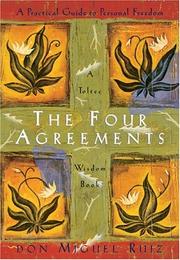 The Four AgreementsDon Miguel RuizA gentle but piercing wake-up call that strips away the noise of modern life to reveal a simple, profound path to inner peace.