Books › The Prairie

The Prairie
A Tale
786 pages
A sweeping, melancholic farewell to the untamed American wilderness and the rugged individuals who first walked it.
What it feels like
Reading this novel feels like standing on the edge of a vast, unbroken sea of grass as the sun sets on an era. The pacing is decidedly leisurely, asking the reader to slow down and absorb the sweeping, grandiose descriptions of the American West before it was fully mapped. There is a deeply elegiac, melancholic atmosphere that permeates the text, as it serves as a farewell to both a legendary frontiersman and the untamed wilderness he represents. The prose is formal and verbose, steeped in nineteenth-century romanticism and philosophical musings on nature, progress, and mortality. It will delight patient readers who appreciate atmospheric, slow-burn historical epics and those who find beauty in the quiet tragedy of a vanishing world.
- Mood
- expansive
- melancholic
- rugged
- nostalgic
- Tone
- elegiac
- earnest
- grandiose
- philosophical
- Pace
- leisurely
- Themes
- twilight of the frontier · man versus nature · aging and mortality · clash of civilizations · the march of progress
- The writing
- Formal, archaic, and highly descriptive, characterized by sweeping landscape portraits and elevated, theatrical dialogue.
- The arc
- Begins with a sense of vast, untamed awe and slowly settles into a poignant, quiet acceptance of passing eras and inevitable mortality.
- Who it's for
- Readers who savor slow-burn, nineteenth-century American romanticism and elegiac meditations on the vanishing wilderness.
Content notes
- outdated cultural depictions
- racism
- frontier violence
- animal death
About the book
Deep in the heart of the newly acquired Louisiana Purchase, five hundred miles beyond the Mississippi River, a group of travelers in the year 1805 pushes yet farther westward over the prairie. Called "squatters" and equipped with covered wagons, livestock, farming implements, and household furnishings, they give every appearance of being ordinary settlers except for the fact they have bypassed the fertile river bottoms for the less productive Great Plains. This group is comprised of the rough, semiliterate Ishmael and Esther Bush, now in their fifties; their numerous children, including seven grown sons; Esther's brother, Abiram White; Ellen Wade, a niece, whose bearing bespeaks a more refined background; and Dr. Obed Bat, an eccentric naturalist. In search of a camping place for the night, they are suddenly confronted by a colossal figure who momentarily fills them with superstitious awe. It is Natty Bumppo, whose form, greatly magnified by an optical illusion, is outlined against the setting sun on the horizon. Once a hunter and scout but now reduced in his old age to trapping, Natty is almost as startled as the newcomers by the encounter. It has been months since the octogenarIan has seen white people so far beyond the settlements. He leads the Bush party to a campsite which will provide for their basic needs: water, fuel, and fodder for the animals.
Description from Open Library.
Books like The Prairie
See why they match The pioneersJames Fenimore CooperA slow, sweeping immersion into the twilight of the untamed American wilderness and the bittersweet march of civilization.
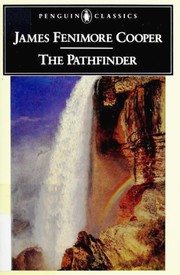 The PathfinderJames Fenimore CooperA sweeping, romantic journey through an untamed wilderness where duty, survival, and the heart's quiet sacrifices collide.
 Prairie SchoolAviA gentle historical journey across the open prairie that celebrates the quiet triumphs of learning and family connection.
 Centennial 1James A. MichenerA sweeping, panoramic journey through the violent conflicts and rugged glory that shaped the American West.
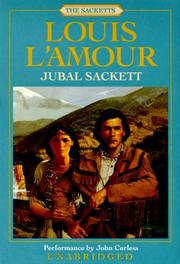 Jubal SackettLouis L'AmourA sweeping, rugged journey into an untamed wilderness where honor, survival, and destiny collide.
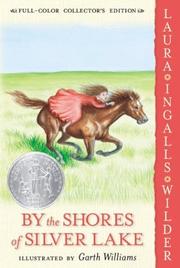 By the Shores of Silver LakeLaura WilderA bittersweet but deeply comforting journey into the wide-open frontier, where childhood begins to give way to the responsibilities of growing up.