Books › The prehistory of the mind

The prehistory of the mind
First published 1996 · 288 pages
An intellectual expedition into the deep past to uncover how early humans learned to think, speak, and create.
What it feels like
Reading this book feels like embarking on a meticulous, intellectual excavation of the human brain. The pace is steady and deliberate, anchored by extensive research and a deeply analytical tone. It immerses the reader in a contemplative, expansive mood, tracing the invisible evolutionary threads that connect prehistoric art and early language to modern cognition. The prose is scholarly and structured, carefully building a framework to understand how social evolution and genetic psychology shaped our capacity for thought. It is an experience defined by profound curiosity rather than narrative thrills. This is a book for the deeply inquisitive reader who delights in cognitive science, evolutionary history, and the ancient origins of human creativity and communication.
- Mood
- intellectual
- contemplative
- expansive
- curious
- Tone
- scholarly
- analytical
- inquisitive
- objective
- Pace
- steady
- Themes
- origins of human thought · evolutionary leaps · birth of creativity · cognitive architecture · roots of language
- The writing
- Academic, structured, and deeply researched, relying on extensive references to build its evolutionary arguments.
- The arc
- A journey from foundational curiosity about our ancient ancestors to a profound, structured understanding of the modern human mind.
- Who it's for
- Readers fascinated by evolutionary psychology, cognitive science, and the deep history of human intelligence.
Books like The prehistory of the mind
See why they match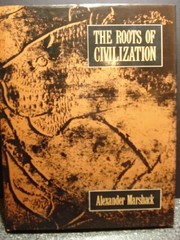 The roots of civilizationAlexander MarshackA deep, scholarly dive into the ancient symbols and prehistoric art that mark the dawn of human cognition.
 The Ape that Understood the UniverseSteve Stewart-WilliamsAn expansive, intellectually stimulating exploration of how a biological primate developed the capacity to ponder its own existence.
 The Dragons of EdenCarl SaganA poetic, mind-expanding journey into the deep evolutionary history of human consciousness.
 The origin of consciousness in the breakdown of the bicameral mindJulian JaynesA sweeping, deeply unsettling, and awe-inspiring journey into the ancient mind that will forever change how you hear your own internal monologue.
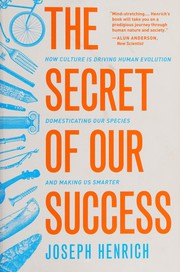 The secret of our successJoseph Patrick HenrichA paradigm-shifting exploration that dismantles the myth of the lone genius to reveal the true superpower of our species: our collective brain.
 From Bacteria to Bach and Back: The Evolution of MindsDaniel C. DennettA sweeping, cerebral exploration of how mindless biological processes gave rise to the breathtaking complexity of human consciousness.