Books › The Prince of India, or Why the Constantinople Fell

The Prince of India, or Why the Constantinople Fell
First published 2001 · 732 pages
A sprawling, ornate journey through the clash of empires and faiths, carried on the weary shoulders of an immortal wanderer.
What it feels like
Reading this sprawling nineteenth-century epic feels like stepping into a grand, dimly lit cathedral filled with the echoes of clashing empires and fervent theological debates. The narrative unfolds at a leisurely, deliberate pace, immersing you in the ornate, archaic prose that characterizes classic historical fiction. It is a solemn and atmospheric experience, steeped in the heavy burden of immortality and the tragic inevitability of history as it marches toward the fall of Constantinople. The emotional journey shifts from weary philosophical wandering to the dramatic crescendo of a world-altering siege. It will deeply satisfy readers who crave massive, old-fashioned historical tapestries woven with religious syncretism, grand tragedy, and the sweeping, melancholic weight of centuries past.
- Mood
- epic
- solemn
- atmospheric
- melancholic
- Tone
- earnest
- grandiose
- philosophical
- didactic
- Pace
- leisurely
- Themes
- the burden of immortality · religious syncretism · clash of empires · the weight of history · spiritual redemption
- The writing
- Ornate, archaic, and highly descriptive, demanding patience but rewarding with rich historical texture.
- The arc
- Moves from weary, philosophical wandering to the dramatic, tragic crescendo of a world-altering siege.
- Who it's for
- Readers who love sprawling, old-fashioned historical epics with heavy theological themes and grand, sweeping settings.
Content notes
- religious persecution
- war and siege violence
- historical antisemitism
- death
About the book
From the author of Ben-Hur, A tale of faith and the East. It was not his first visit to Mecca. But the purpose in mind and journey a new zest; and nothing in the least indicative of the prevalent spirit of the Hajj escaped him. Hundreds of years ago he smote Christ on his way to the Cross-and for that act he was blessed and pained to wait and meet his second coming, wandering through the centuries undying and drawn thin and weary. Fifty years ago, disgusted with the endless strife between Islam and Christianity, he went to Japan to be shut of it. There, in a repentant hour, he had conceived the idea of an Universal Religious Brotherhood, with God for its accordant principle; and he was now returned to present and urge the compromise...
Description from Open Library.
Books like The Prince of India, or Why the Constantinople Fell
See why they match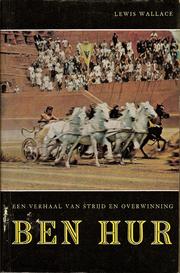 Ben HurLew WallaceA sweeping, sand-swept epic of vengeance and redemption set against the crushing weight of the Roman Empire.
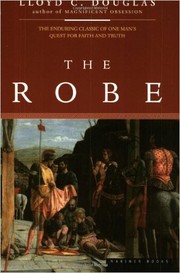 The robeLloyd C. DouglasA sweeping, cinematic journey through antiquity that captures the heavy, transformative weight of a spiritual awakening.
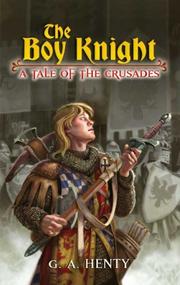 The Boy KnightG. A. HentyA classic, sweeping historical adventure that thrusts a young hero into the perils and pageantry of the Crusades.
 Quo Vadis? Powieść z czasów NeronaHenryk SienkiewiczA sweeping, opulent epic that plunges you into the decadent heart of Nero's Rome, where a clash of empires and faiths sparks a profound spiritual awakening.
 The TalismanSir Walter ScottA sweeping, old-fashioned tale of chivalry and adventure where honor is tested amidst a romanticized vision of the Crusades.
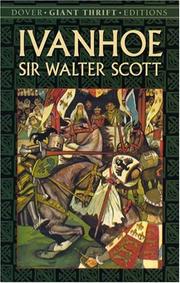 IvanhoeSir Walter ScottA sweeping, tapestry-like immersion into a romanticized medieval world of jousts, outlaws, and clashing loyalties.