Books › The psychology of money

The psychology of money
First published 1991 · 324 pages
A methodical, academic exploration of the hidden psychological forces that dictate our relationship with wealth.
What it feels like
Reading this book feels like sitting in on a fascinating, well-structured university lecture from a seasoned psychology professor. The pace is steady and deliberate, guiding the reader through the complex, often irrational ways human beings interact with money. Rather than offering quick financial tips, the atmosphere is deeply intellectual and contemplative, rooted in academic rigor and behavioral analysis. The prose is clear, methodical, and objective, prioritizing evidence and psychological theory over narrative storytelling. It appeals to readers who want to dig beneath the surface of personal finance to understand the sociological and cognitive drivers of our spending, saving, and hoarding habits. It is a grounded, satisfying read for those who find comfort in structured, scholarly exploration.
- Mood
- intellectual
- contemplative
- grounded
- curious
- Tone
- analytical
- objective
- measured
- academic
- inquisitive
- Pace
- steady
- Themes
- behavioral economics · human irrationality · societal values · psychological drivers of spending · the meaning of wealth
- The writing
- Clear, methodical, and academic, prioritizing evidence and structured arguments over narrative flair.
- The arc
- Begins with everyday curiosities about spending and saving, gradually building into a structured, intellectual satisfaction of understanding human motivation.
- Who it's for
- Readers who appreciate a scholarly, textbook-style exploration of why humans behave the way they do with their finances.
Content notes
- discussions of financial anxiety
About the book
Includes bibliographical references (p. [303]-313) and index.
Description from Open Library.
Books like The psychology of money
See why they match Human motivationRobert E. FrankenA rigorous, structured deep dive into the biological and cognitive engines that drive human behavior.
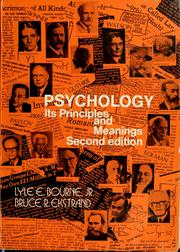 PsychologyLyle E. Bourne, Bruce R. Ekstrand and othersA methodical, retro-academic deep dive into the foundational theories of human behavior and the mind.
 Social psychologyH. Andrew MichenerA structured, comprehensive journey into the mechanics of human interaction and the unseen forces of group behavior.
 PsychologyDavid G. MyersAn illuminating, highly readable exploration of the human mind that transforms everyday observations into profound psychological insights.
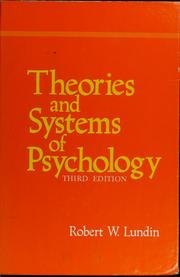 Theories and systems of psychologyRobert W. LundinA structured, intellectual journey through the evolving paradigms and historical foundations of the human mind.
 Essentials of PsychologyDennis CoonA structured, illuminating journey through the mechanics of the human mind and behavior.